
Alvapareen Construction · Built for Transformation
ACESSORY DWELLING UNITS – ADU Design & Build in Los Angeles
Turn your unused yard, garage, or existing structure into a high‑value accessory dwelling unit with a trusted ADU design-build contractor. Alvapareen Construction manages the full process in Los Angeles—from concepts and plans to permits and turn-key construction.
Add flexible living space for family, create a rental income opportunity, or increase long‑term property value with a well-planned, code-compliant ADU tailored to your lot and goals.
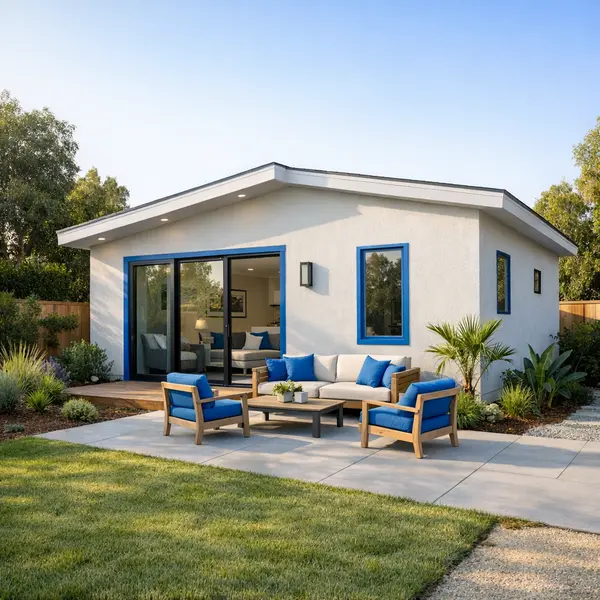
Local ADU Contractors for Accessory Dwelling Units in Los Angeles
ACESSORY DWELLING UNITS – ADU are self-contained living spaces built on the same lot as an existing home, and they have become a smart way for Los Angeles property owners to add flexible space and potential rental income. As an experienced ADU contractor, Alvapareen Construction helps you plan, permit, and build a code-compliant unit that fits your property and long-term goals.
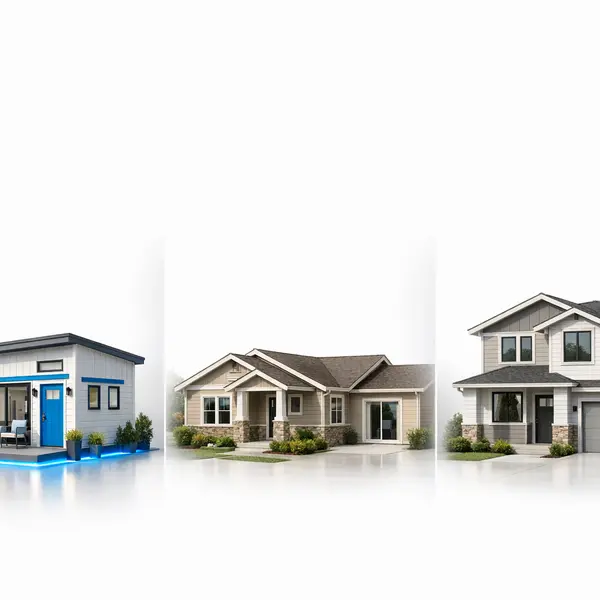
Common ADU formats include detached backyard cottages, attached extensions to the main home, garage conversions, and over-garage apartments. Each style must meet local accessory dwelling unit regulations, building codes, and zoning rules, which can affect layout, utilities, and even how you access the unit from the street or alley.
What Is an Accessory Dwelling Unit on a Los Angeles Property?
An accessory dwelling unit is a secondary, smaller home located on the same parcel as a primary residence. In Los Angeles, ADUs typically range from compact studios to two-bedroom layouts and can be placed behind, beside, or above the main structure on single-family or multifamily lots. Each unit has its own kitchen, bathroom, living area, and entrance, allowing residents to live independently while remaining on the same property.
Local guidelines and lot conditions influence where an ADU can be built, how large it can be, and how it connects to utilities. Factors such as setbacks, parking, and Los Angeles ADU permit cost are considered during planning, which is why working with an ADU builder familiar with city requirements is essential from the start.
Who Benefits Most from Building an ADU?
ADUs are a practical solution for a wide range of Los Angeles property owners, including:
- Homeowners planning multi-generational living for parents, adult children, or extended family.
- Owners looking to create a long-term or mid-term rental for steady income on an existing lot.
- Real estate investors maximizing underused yard space, side yards, or detached garages.
- Property owners considering ADUs alongside larger new construction in Los Angeles as part of a broader strategy.
Alvapareen Construction manages design, engineering, permits, and construction in a coordinated process. Whether you are evaluating Pre approved ADU plans Los Angeles offers or need a fully custom layout, a structured team helps you navigate requirements and make informed decisions before you invest.
Challenges of Planning an ADU in Los Angeles Without Expert Help
Planning ACESSORY DWELLING UNITS – ADU projects in Los Angeles on your own can quickly become overwhelming. Between city rules, Los Angeles County ADU requirements, and neighborhood constraints, many homeowners underestimate how complex permits, design, and construction coordination can be for a compliant, buildable ADU.
Without an experienced ADU contractor, common issues include:
- Confusion over which local ADU requirements actually apply to your lot
- Incomplete or inconsistent plans that cause multiple rounds of corrections
- Unexpected design changes to satisfy zoning, fire, or setback rules
- Contractors who are unfamiliar with ADU permit Los Angeles submittal standards
Permit, Zoning, and Inspection Risks
Many owners download a Los Angeles County ADU requirements pdf and assume it’s the full story. In reality, interpretation depends on your specific site, utilities, alley access, parking, and existing structures. Misreading these details can lead to:
- Permit applications returned for missing documents or unclear drawings
- Required plan revisions after review, adding weeks or months
- Failed inspections due to structural, electrical, or fire-safety issues
- Stop-work orders if unlicensed or non-compliant work is discovered
How do planning mistakes impact your ADU budget and schedule?
Budget creep often starts before construction even begins. Incomplete site evaluation or rushed design can miss grading, utility upgrade, or foundation challenges. Once work starts, changes to meet updated ADU guidelines or inspector comments can quickly increase both cost and duration.
- Cost risks: re-drafting plans, redoing work that fails inspection, and upgrades required by code that were not anticipated.
- Schedule risks: waiting on revised approvals, re-inspections, material re-orders, and coordinating trades a second time.
Working with an unstructured or inexperienced team can turn a promising ADU into a stressful sequence of corrections, surprises, and delays, instead of a well-planned long-term investment.
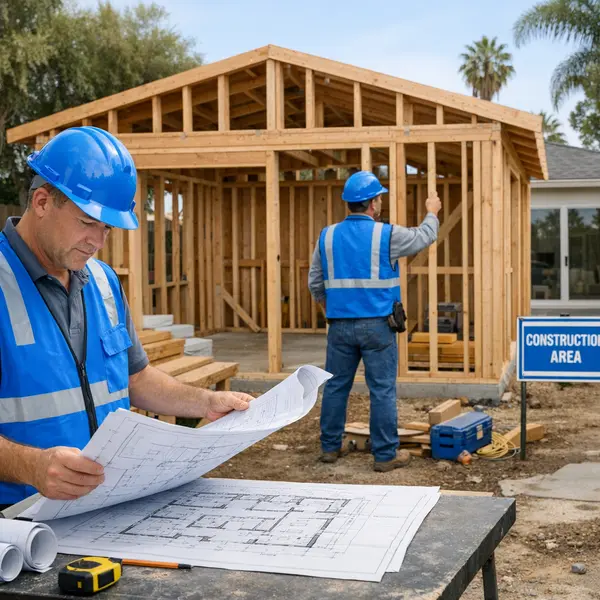
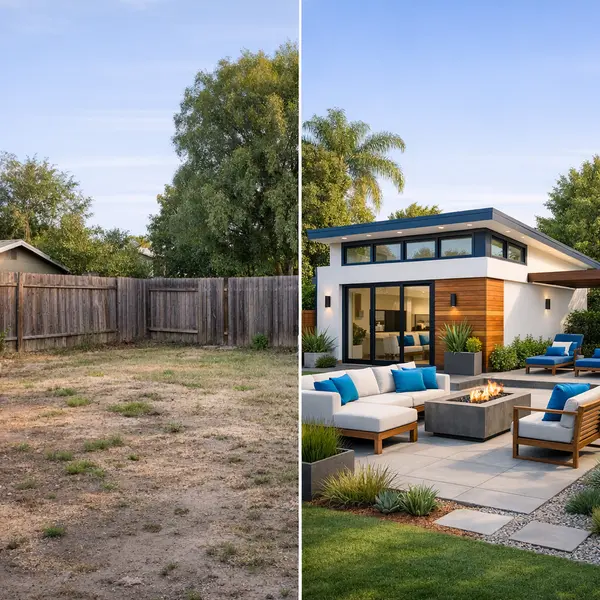
Benefits of Building an ADU with Alvapareen Construction
A well-planned accessory dwelling unit adds more than just square footage. In the Los Angeles market, a carefully designed backyard home or secondary unit can create flexible living options, rental-ready space, and long-term value—when it is built correctly, safely, and in line with local requirements.
Alvapareen Construction approaches every ADU with a “Built for Transformation” mindset, focusing on quality, structure, and a predictable experience from concept through completion.
- •Compliant ADU construction in Los Angeles: Your unit is planned around zoning, setback, and building code requirements, helping you move forward with confidence that design decisions support approvals.
- •Efficient permit handling and coordination: Experienced guidance on drawings, submittals, and revisions can reduce back-and-forth with the city and keep your accessory unit project more organized.
- •Rental-ready layouts for real Los Angeles lots: Smart placement, privacy-minded entries, and practical floor plans help make a small footprint feel livable for long-term tenants, guests, or family.
- •Coordinated trades and durable build quality: From foundations and framing to finishes, a single, accountable general contractor helps align schedules, details, and workmanship for a long-lasting ADU.
- •Structured communication and fewer surprises: Clear planning, defined milestones, and professional oversight help reduce stress so you can focus on how you will use your new space.
- •Strategic alternative to full new construction: For many owners, a backyard ADU offers an incremental way to maximize their property compared with taking on a full new construction project.
Income Potential and Property Value
In a high-demand rental market like Los Angeles, a well-designed accessory unit can support future income opportunities, whether used for long-term tenants or medium-term stays where allowed. While returns depend on location, design, and rental strategy, a professionally built ADU may improve overall property appeal and could be an advantage when it is time to sell.
Flexible Space for Family and Work
Beyond rental use, a backyard home can give aging parents a private residence close to support, create a separate space for adult children, or host guests without crowding the main house. Many Los Angeles owners also use ADUs as studios or home offices, gaining quiet, dedicated workspace while staying on the same property.
ADU Design, Permitting, and Construction Services
Alvapareen Construction manages Accessory Dwelling Units (ADUs) in Los Angeles from first idea through final inspection. Our team coordinates design, structural and engineering plans, ADU permit Los Angeles submissions, and full construction for detached ADUs, garage conversions, attached units, and two-story configurations where allowed by local codes.
We stay current with city guidelines and Los Angeles County ADU requirements (including reference materials such as the Los Angeles County ADU requirements PDF) so your project is planned and built with the approval process in mind, without you needing to interpret technical rule language yourself.
Initial Consultation and Site Review
Every ADU project begins with a structured conversation and a focused look at your property. Our team listens to how you want to use the ADU—whether for family, guests, or accessory dwelling units ADU in Los Angeles for rent—and reviews basic site constraints so we can outline realistic options.
During the initial visit, we typically:
- Walk the property to understand access, slopes, existing utilities, and setbacks.
- Discuss preferred ADU types such as detached units, garage conversions, or attached additions.
- Review general zoning and lot conditions to flag potential limitations that require deeper study.
- Talk through budget ranges and timeline expectations so scope and investment stay aligned.
This stage is focused on feasibility and planning; financing, legal advice, and long-term property management remain with the homeowner and their professional advisors.
ADU Design, Plans, and Pre-Approved Options
Once we confirm a viable concept, Alvapareen Construction develops design solutions tailored to your lot and goals. We can work from custom concepts or, where appropriate, use pre approved ADU plans Los Angeles agencies make available as a starting point and adapt them to your site conditions.
Typical design and planning meetings cover:
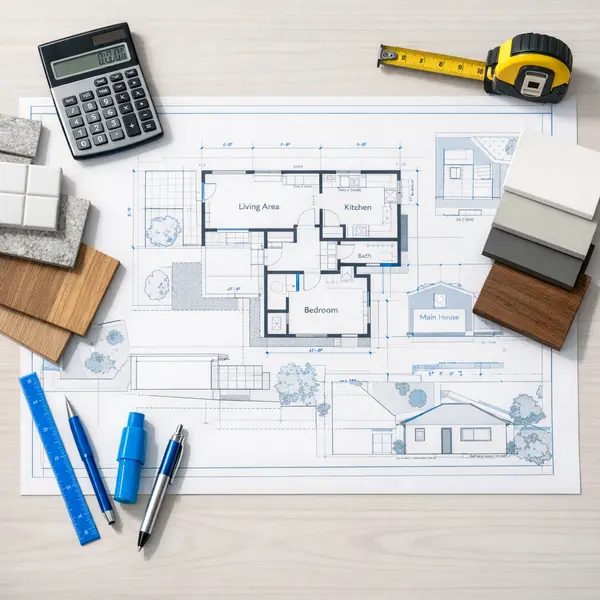
- Spatial layout and floor plan options, including entrances, window placements, and privacy considerations.
- Exterior form, roof style, and how the ADU relates architecturally to the main home.
- Kitchen and bathroom configurations, including appliance locations and plumbing runs.
- Finish standards for flooring, cabinetry, countertops, fixtures, lighting, and paint.
- Mechanical, electrical, and plumbing (MEP) strategies and energy code compliance.
Our architectural and engineering team then prepares permit-ready plan sets—architectural layouts, structural details, Title 24 energy documents, and utility diagrams—that align with current Accessory Dwelling Units ADU in Los Angeles 2022–present guidelines and any updates.
Permitting Support for Los Angeles ADUs
Navigating the ADU permit Los Angeles process can be complex, especially when coordinating between city departments and utility providers. Alvapareen Construction helps organize, submit, and track the documents needed for your ADU so reviews stay as smooth as possible.
Our permitting support typically includes:
- Completing and assembling application forms, plan sets, and supporting documents.
- Submitting plans to the appropriate Los Angeles jurisdiction and monitoring status.
- Responding to plan check comments by coordinating any required revisions with designers and engineers.
- Scheduling key inspections and clarifying inspector feedback for the owner.
While we cannot guarantee approvals or review timeframes, our familiarity with local review workflows and Los Angeles County ADU requirements helps us anticipate typical questions and structure submittals accordingly.
Full ADU Construction and Finishing
After permits are issued, Alvapareen Construction oversees the complete build. Our team manages daily site work, trade coordination, and quality checks so your new ADU is delivered as a cohesive, code-compliant living space ready for personal use or ADU Los Angeles for rent, depending on your plans.
The construction sequence generally follows:
- Site preparation and utilities – Demolition where needed, grading, trenching, and utility rough-ins.
- Foundation – Footings and slabs or other approved systems designed for your soil conditions.
- Framing and roofing – Structural framing, shear walls, roof structure, and weatherproofing.
- Mechanical, electrical, and plumbing – Rough-in of HVAC, wiring, panels, plumbing lines, and vents.
- Insulation and drywall – Thermal and sound insulation followed by drywall, taping, and texturing.
- Interior finishes – Cabinets, countertops, doors, trim, flooring, tile, and paint.
- Exterior integration – Siding or stucco, exterior paint, steps, small patios, and basic hardscape connections.
- Final inspections and walk-through – Coordinating final sign-offs and reviewing operation of systems with you.
We deliver a completed ADU shell and interiors per the agreed scope. Ongoing rental management, listing activities, and long-term operations remain the responsibility of the property owner or their chosen management partner.
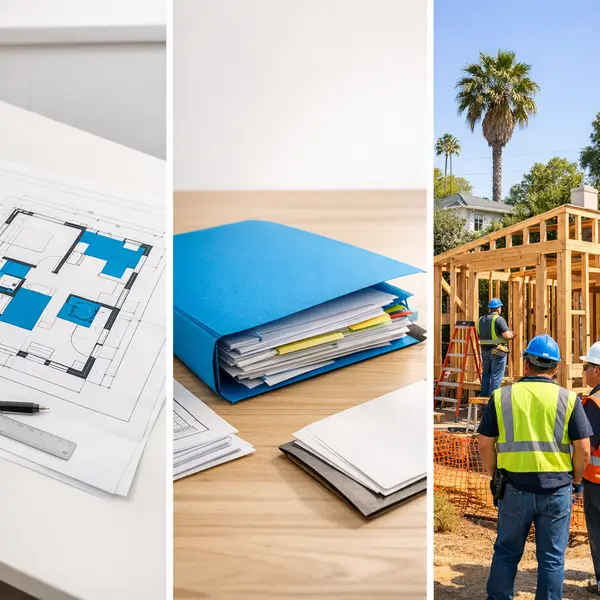
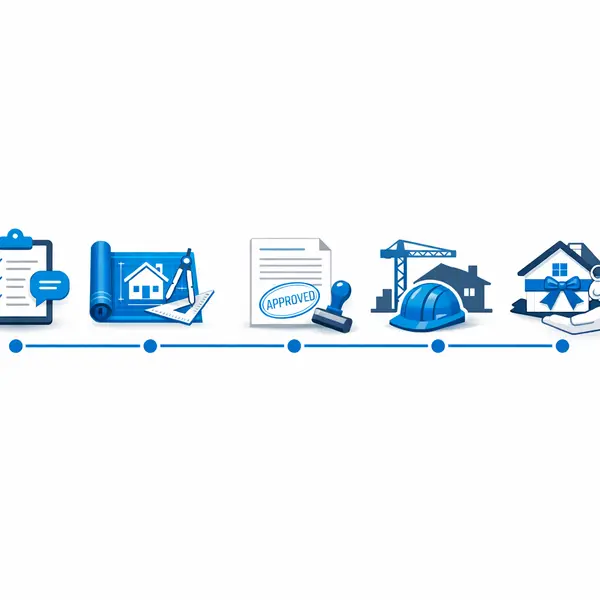
How Our Los Angeles ADU Process Works
Here is a simplified overview of the typical ADU process with Alvapareen Construction, so you know what to expect from the first conversation through final inspection.
-
Step 1: Consultation and Feasibility Review
We start with a focused discussion about your goals for an accessory dwelling unit, budget, and desired timeline. Our team reviews your property, zoning context, and basic site conditions to assess feasibility under Los Angeles ADU rules. You will receive clear feedback on what is likely possible and which ADU project steps would be involved for your site.
-
Step 2: Design and Planning
Next, we translate your ideas into a functional ADU layout, discussing bedroom count, storage, finishes, and how the unit will be used. Our designers and engineers prepare architectural and structural plans that align with Los Angeles requirements. You stay involved in the look and feel, while we handle the technical details that keep the ADU process on track.
-
Step 3: Permits and Approvals
With drawings ready, we assemble and submit the permit package to the appropriate Los Angeles departments. Our team coordinates plan check responses, implements required revisions, and tracks progress. Timeframes can vary based on workload and project complexity, but Alvapareen Construction manages communication so you are updated without having to navigate agencies yourself.
-
Step 4: Construction and Inspections
Once permits are issued, we begin on-site work, including foundations, framing, utilities, and interior finishes. You receive regular progress updates and opportunities to review key milestones. Required Los Angeles inspections are scheduled and coordinated by our team, with close attention to quality control and safety at every stage of the ADU project steps.
-
Step 5: Final Walk-Through and Handover
After final inspections are complete, we walk through the finished ADU with you, address any punch-list items, and explain how to operate key systems. You receive relevant documentation, such as permits and warranty information, so your new accessory dwelling unit is ready for guests, family, or tenants. This professional close-out ensures a clean, confident finish to your project.
Actual timelines depend on design complexity, permitting review, and specific site conditions, and are discussed with you before construction begins.
ADU vs. Other Ways to Add Space or Income
When you need more space or want extra income, you might weigh an accessory dwelling unit against a traditional addition, ground-up new construction, or simply leaving the yard or garage as-is. Each path has its place, but a well-planned ADU offers a focused, self-contained solution on an existing Los Angeles property.
| Option | Best For | Disruption & Scope | Rental / Separate Living |
|---|---|---|---|
| Accessory Dwelling Unit (ADU) | Independent living space on the same lot, multi-generational homes, or long‑term rental potential. | Moderate construction scope with defined footprint; permits focused on a self‑contained unit. | Designed for privacy, separate entry, and utilities configurations that can support rental use. |
| Traditional Home Addition | Expanding existing rooms, adding a bedroom, or enlarging shared family areas. | Directly impacts the main house; interior disruption is typically higher during construction. | Not usually a fully separate residence; less suitable as a standalone rental. |
| Ground-Up New Construction | Starting fresh with a full primary home or large-scale investment property. | Largest scope, more complex approvals, and longer build timelines than an ADU. | Creates a full new residence, but requires its own lot and broader planning. |
| Leave Space Unused / Ad Hoc Conversions | Short-term savings or when you are not ready to build yet. | Minimal disruption, but unpermitted garage or room conversions can create code and resale issues. | Typically no compliant second unit; limited ability to legally rent or recognize added value. |
ADU vs. Traditional Home Addition
An ADU in Los Angeles is designed as a self-contained residence, while a traditional addition extends your existing layout. Both can increase comfort and value, but they function differently day to day.
ADU advantages
- Private entrance and independent living area.
- Potential for long-term rental or guest use.
- Options for separate utilities and metering.
- Clear definition as a second unit on the property.
Home addition considerations
- Blends into current floor plan for shared living.
- Ideal for larger kitchen, family room, or extra bedroom.
- Less separation between households or guests.
- Not typically regulated or marketed as a separate dwelling.
ADU vs. Ground-Up New Construction
Comparing an ADU vs new construction helps clarify your long-term goals. An ADU leverages an existing Los Angeles lot, while a new build starts from scratch with a primary residence or larger project.
- Scale and investment: ADUs are typically smaller, focused builds; ground-up homes involve broader design, infrastructure, and site work.
- Permits and review: Both require professional plans and approvals, but a single accessory unit is usually more contained in scope.
- Use and flexibility: ADUs supplement an existing property, while full new construction or new construction in Los Angeles is better when you want an entirely new primary home or multi-unit strategy.
Professionally designed, permitted ADUs avoid the long-term risks of unpermitted conversions and help you add usable space or income while staying aligned with local requirements.
ADU Pricing: What Affects the Cost of an ADU in Los Angeles?
ADU pricing in Los Angeles can vary widely from property to property. How much an accessory dwelling unit costs depends on design, site conditions, and the level of work required to bring the structure up to current codes. Understanding the major ADU budget factors will help you plan realistically and prioritize the right features.
At Alvapareen Construction, we review each site, your goals, and applicable regulations before preparing a structured estimate for your ADU in Los Angeles, whether it is a new detached unit or a garage conversion.
Key Factors That Influence ADU Cost
Several core elements drive how much an ADU costs in Los Angeles. The most common include:
- Size and square footage: Larger accessory dwelling units require more materials, labor, and systems, which increases overall cost.
- Type of ADU: Detached new-build ADUs usually cost more than garage conversions or interior conversions because they require a full foundation and new exterior walls.
- Design and structural complexity: Second-story additions, unique rooflines, and major structural changes add engineering and construction effort.
- Foundation and grading work: Sloped lots, poor soil conditions, or extensive concrete work can significantly affect ADU pricing.
- Utility connections and upgrades: Running new plumbing, electrical, gas, and sewer lines—or upgrading existing service—can be a substantial portion of the budget.
- Finishes and fixtures: Flooring, cabinetry, tile, windows, and appliance choices all influence cost, from value-focused to more premium finish levels.
- Site access and logistics: Limited access for materials, tight neighborhoods, or required protections for neighboring structures can add labor and time.
Los Angeles ADU Permit and Soft Costs
In addition to construction, you should plan for soft costs. These typically include Los Angeles ADU permit cost, plan check fees, and any required reviews with the local building department. Design, architectural, and engineering services, as well as energy calculations and specialized consultants when needed, are also part of a complete ADU budget.
Because fees and requirements can change and depend on location, Alvapareen Construction prepares project-specific budgets after evaluating your property, reviewing zoning and utility needs, and clarifying the intended use of your ADU.
Common Uses and Scenarios for ADUs in Los Angeles
In the Los Angeles area, accessory dwelling units (ADUs) are used both as flexible living space and as a strategic way to make better use of existing property. A well-planned ADU can support changing family needs, lifestyle upgrades, and rental possibilities while staying aligned with local codes and regulations.
Rental-Ready ADUs
Many owners consider ADU Los Angeles for rent scenarios, using accessory dwelling units as long-term rentals where allowed. Alvapareen Construction focuses on layouts that feel like independent homes, with:
- Private, clearly defined entrances for tenants
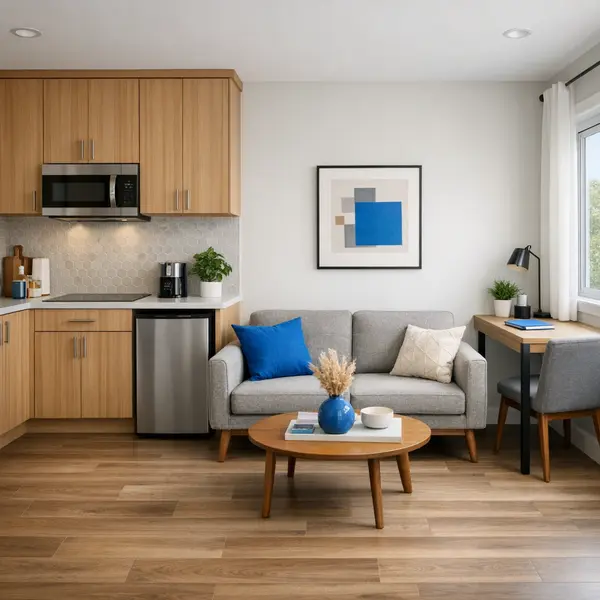
- Functional kitchens or kitchenettes and efficient storage
- Sound-conscious wall assemblies for added privacy
- Comfortable living/sleeping areas in compact footprints
We build ADUs suitable for Accessory dwelling units adu in Los Angeles for rent, but the property owner is responsible for leasing, understanding rental limits, and complying with Los Angeles and Los Angeles County regulations.
ADUs for Family, Guests, and Caregivers
ADUs are also common for multi-generational living, giving adult children, aging parents, or relatives a comfortable place to live close by while maintaining independence. A separate entrance, dedicated bathroom, and compact kitchen help everyone feel at home without crowding the main house.
In Los Angeles, many homeowners use ADUs as private guest suites for visiting friends and family or as space for live-in caregivers. Thoughtful design features—like step-free entries, good lighting, and efficient storage—support comfort and safety while keeping daily routines in the main house undisturbed.
Whether an ADU is used for rental, family, or guests, it must meet applicable building, zoning, and occupancy rules. Alvapareen Construction designs and builds with these requirements in mind so your ADU is ready for a wide range of approved uses over time.
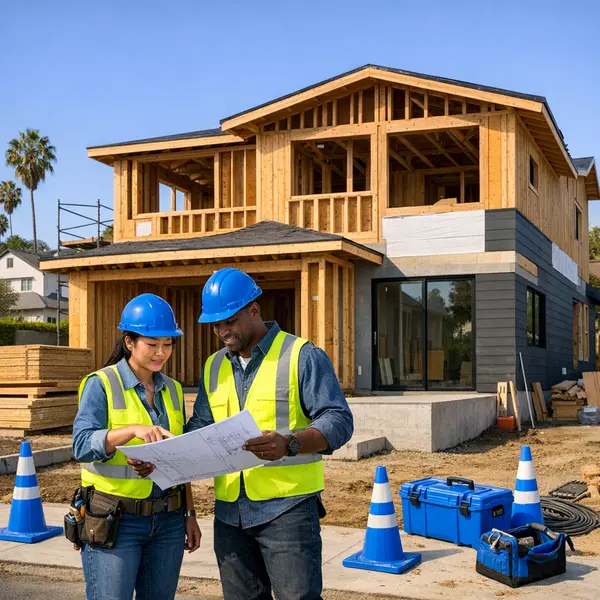
Related Construction Services from Alvapareen Construction
Many homeowners exploring accessory dwelling units also look at broader building options. Alvapareen Construction provides complete construction services that can be a better fit when you need more space, a full rebuild, or a ground-up custom home instead of an ADU.
- New Construction – Our new construction services are ideal if your property needs a full replacement home, a major rebuild, or a completely custom layout that goes beyond the footprint and size limits of an ADU.
- New Construction in Los Angeles – For projects shaped by local zoning, lot size, and neighborhood character, explore our new construction in Los Angeles solutions, tailored to city requirements and regional design expectations.
If you are still deciding between an ADU and a full rebuild, reviewing these related services can help you compare long-term value, layout flexibility, and how each option supports your property goals.
Accessory Dwelling Units – ADU FAQs for Los Angeles Homeowners
Get straightforward answers to common questions about Accessory Dwelling Units (ADUs) in Los Angeles, including requirements, permits, timelines, costs, and rental use.
Understanding Los Angeles ADU Requirements
Los Angeles ADU feasibility depends on your lot size, existing structures, zoning designation, and access. Setbacks, maximum height, and allowed square footage all play a role in what type of accessory dwelling unit can be built. Cities and the County publish guideline summaries, sometimes as a “Los Angeles County ADU requirements pdf,” but these are general. For current, project-specific rules, it is best to review local codes and consult a qualified contractor.
Permits and Typical ADU Timelines
Every ADU project in Los Angeles goes through design, permitting, and construction phases, and each step takes time. ADU permit Los Angeles reviews can vary based on workload and project complexity, and revisions are sometimes required. Construction duration depends on whether you are converting an existing space or building a new detached unit. Overall, most homeowners should plan for several months from concept to completed ADU.
What is an Accessory Dwelling Unit (ADU) on a Los Angeles property?
An Accessory Dwelling Unit (ADU) is a smaller, independent residential unit located on the same lot as an existing home. In Los Angeles, ADUs can be garage conversions, attached additions, or detached backyard homes. They typically include a kitchen, bathroom, and sleeping area, providing extra living space for family, guests, or potential rental income.
What are the basic ADU requirements for Los Angeles and Los Angeles County?
Basic ADU requirements include meeting local zoning, maximum size limits, setbacks from property lines, and access standards. Los Angeles and Los Angeles County also regulate parking, utility connections, and fire-safety clearances. Public documents, sometimes labeled as Los Angeles County ADU requirements pdf, summarize these rules but may not reflect every site condition. A professional review of your specific property is recommended before making decisions.
How long does it typically take to design and build an ADU in Los Angeles?
Designing and building an ADU in Los Angeles usually takes several months from first consultation to move-in. Time is needed for planning, architectural drawings, engineering, and city review before construction can begin. The build phase itself varies based on whether your project is a garage conversion or a new detached structure. Site conditions, weather, and inspection schedules can also affect the overall duration.
How much does it cost to build an ADU and what is included in the price?
ADU costs in Los Angeles depend on size, design features, level of finishes, and whether you are converting existing space or building new. Typical budgets account for design, permitting, structural work, utilities, interior finishes, and inspections. Site work such as grading or foundation upgrades can add to the total. For a tailored estimate, you can contact Alvapareen Construction to discuss your ADU scope.
Do I need a permit for an ADU in Los Angeles and who handles it?
Yes, you need an ADU permit in Los Angeles before any construction or conversion work begins. Plans must be submitted to the appropriate city department for review to ensure compliance with building and zoning codes. Many homeowners rely on their contractor and design team to prepare drawings, coordinate submittals, and respond to comments throughout the ADU permit Los Angeles process.
Can my ADU be used as a rental unit in Los Angeles?
In many cases, ADUs in Los Angeles can be rented out, but they must meet local rules for long-term occupancy and cannot be used for certain short-term rental situations. The unit must be permitted, inspected, and built to residential standards. Because regulations can change, it is wise to confirm current rental rules with the city or consult a professional before planning an ADU Los Angeles for rent strategy.
What is the difference between a garage conversion ADU and a detached ADU?
A garage conversion ADU repurposes your existing garage into livable space, often using the current footprint and structure with upgrades to meet code. A detached ADU is a stand-alone small home built elsewhere on the lot. Detached units usually offer more design flexibility and privacy but can involve more site work, new foundations, and potentially higher overall construction costs.
How do I get started with an ADU project with Alvapareen Construction?
To get started, gather any property information you have, such as lot size, site photos, and your goals for the ADU (family use, office, or rental). Alvapareen Construction will review your ideas, discuss feasibility, and outline a preliminary path for design, permits, and construction. You can begin the conversation by contacting our team to discuss your ADU plans.
Plan Your Los Angeles ADU with Alvapareen Construction
An ADU can add flexible living space, long-term value, and potential rental income to your Los Angeles property when it is thoughtfully planned and professionally built.
Alvapareen Construction combines local code knowledge, organized project management, and meticulous craftsmanship to guide homeowners from early ADU ideas through design, permitting, and construction. Our team focuses on clear expectations, realistic timelines, and solutions that respect your property, neighborhood, and budget.
- Structured, step-by-step ADU process from feasibility review to final walkthrough
- Permit-savvy team with experience navigating Los Angeles regulations and submittals
- Quality-focused construction with attention to details that impact durability and comfort
- Transparent communication so you understand options, tradeoffs, and next steps at every stage
Ready to Explore Your ADU Options?
Share your property details, goals, and timing, and Alvapareen Construction will review what is realistically feasible for your lot under Los Angeles guidelines. During an initial consultation, we discuss layout ideas, access, utilities, and permitting considerations so you can decide how and when to move forward—without any pressure to commit.
To take the next step with ACESSORY DWELLING UNITS – ADU planning that fits your Los Angeles property, schedule a structured consultation with our team.