
Built for Transformation
ACESSORY DWELLING UNITS – ADU Design & Construction
Turn underused space into a high-performing, code-compliant ADU with a dedicated design-build partner. Alvapareen Construction plans, manages, and builds accessory units with careful attention to layout, comfort, and long-term value.
From feasibility and permitting through finishes and final walkthrough, our team coordinates each phase so your new dwelling is structurally sound, thoughtfully designed, and ready for guests, rental income, or extended family living.
Led by licensed construction professionals, Alvapareen Construction follows a structured project management approach, transparent communication, and rigorous quality checks to deliver ADUs that meet today’s building standards and everyday living needs.
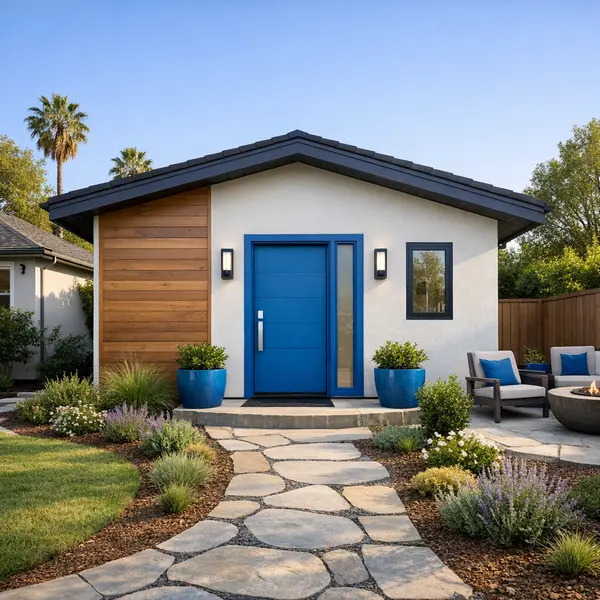
Transform Your Property With a Professionally Built ADU
Accessory Dwelling Units (ADUs) are self-contained living spaces built on the same lot as an existing home, and they have become one of the most efficient ways to add usable square footage. At Alvapareen Construction, we design and build ACESSORY DWELLING UNITS – ADU projects as structured, code-compliant additions that feel like a natural extension of your property.
A well-planned ADU can serve as a rental unit, guest house, in-law suite, or private home office, all while respecting local zoning rules and building standards. Our team guides you through planning, architectural design, permits, and construction so your new space is functional, comfortable, and aligned with applicable Accessory dwelling units adu requirements in your area.
Whether you are updating a single-family lot or coordinating improvements with larger ground-up new construction projects, Alvapareen Construction manages every stage of the ADU process. We focus on quality materials, reliable scheduling, and clear communication so you can confidently invest in additional living space, potential rental income, or flexible multigenerational living—all within current ADU requirements and building codes.
What Is an Accessory Dwelling Unit (ADU)?
An Accessory Dwelling Unit (ADU) is a smaller, independent residence located on the same lot as a primary home. It includes its own entrance, kitchen, bathroom, and living area, but remains legally connected to the main property. ADUs can be detached backyard homes, attached additions, or carefully planned garage conversions that meet residential safety and code standards.
Who Benefits From Building an ADU?
- Homeowners seeking steady rental income from a secondary unit on an existing lot.
- Families who want comfortable, nearby space for aging parents or adult children.
- Property owners looking to increase long-term property value with additional living area.
- Remote workers and business owners who need a quiet, dedicated workspace separate from the main home.
Common ADU Planning Challenges Homeowners Face
Planning an accessory dwelling unit can feel overwhelming. Between understanding ADU requirements, managing design decisions, and coordinating permitting, many homeowners quickly realize an ADU is a full construction project—not a small weekend upgrade.
When these pieces are not clearly planned from the start, projects can run into avoidable delays, extra costs, and frustrating rework. Below are some of the most common challenges that tend to surface during ADU planning and construction.
Risks of DIY or Poorly Planned ADU Builds
Trying to manage an ADU as a do-it-yourself project, or working with a team that lacks ADU experience, can introduce significant risk. Common issues include unpermitted work, incomplete drawings, or details that do not meet code.
- Failed inspections that require corrections and additional labor
- Structural changes discovered late, after framing or rough-in
- Unexpected utility upgrades that were not budgeted upfront
- Extended timelines as plans are revised and resubmitted
A structured, quality-focused builder helps coordinate design, engineering, and permitting from the beginning, reducing surprises and creating a clearer path from concept to completed ADU.
Benefits of Building an ADU With Alvapareen Construction
A well-planned accessory dwelling unit can do far more than add square footage. When designed and built with care, an ADU delivers everyday comfort, long-term flexibility, and added property appeal while staying aligned with local ADU requirements and inspection standards.
Flexible, Private Living Space
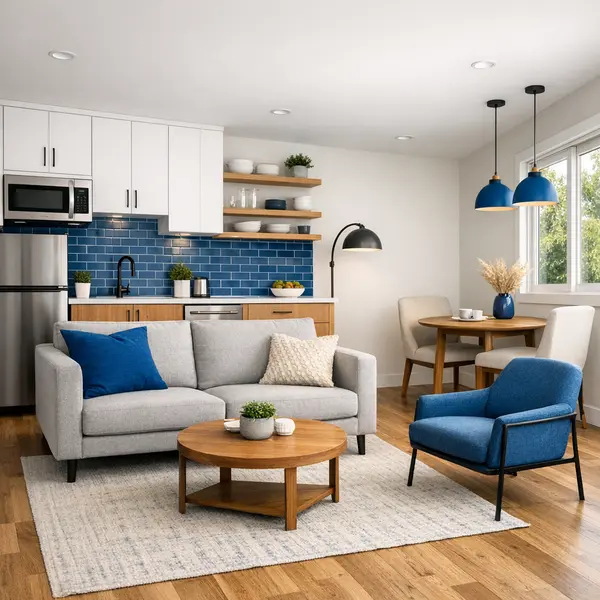
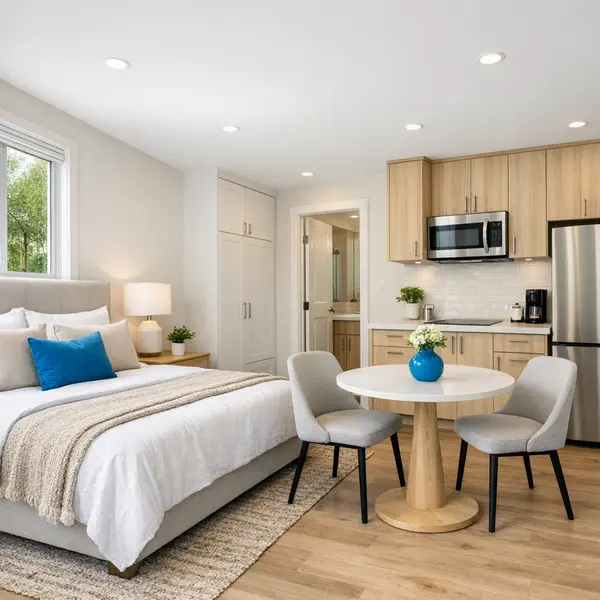
An ADU creates an independent living area on your property without the need to move or purchase a larger home. It can function as a comfortable suite for visiting guests, a private residence for aging parents or adult children, or a quiet workspace separate from the main house, all with its own entrance, bathroom, and kitchenette.
- Dedicated space for family while preserving privacy for everyone
- Adaptable layout that can shift from office to guest suite as needs change
- Thoughtful storage, lighting, and circulation to keep the ADU comfortable and efficient
Long-Term Property Value Potential
A professionally designed, properly permitted ADU may increase the overall appeal and potential value of your property over time. By treating the ADU as a true extension of the home—matching exterior finishes, rooflines, and quality interior materials—you can support a cohesive, high-end look that is attractive to future occupants and buyers.
Using durable finishes, efficient layouts, and modern building practices helps your ADU stay functional and desirable for years, supporting long-term flexibility for rental, multigenerational living, or resale strategies without promising specific financial outcomes.
Structured, Managed ADU Project Process
Alvapareen Construction follows a structured process so your ADU project remains organized from concept through final walkthrough. The team coordinates planning with designers and engineers, reviews applicable ADU requirements, prepares permit submissions, and schedules inspections to keep each phase moving in a controlled, professional way.
Throughout construction, you benefit from clear communication, jobsite oversight, and a detailed punch list at the end, helping confirm that finishes, fixtures, and systems perform as intended. This quality-focused approach, aligned with the “Built for Transformation” mindset, provides peace of mind that your ADU is both well built and code compliant.
ADU Design & Build Services: What’s Included
Alvapareen Construction delivers complete design-build services for accessory dwelling units from initial concept through final walkthrough. Our team coordinates planning, permitting, and construction so your ADU is thoughtfully designed, structurally sound, and aligned with applicable ADU requirements in your area.
Types of Accessory Dwelling Units We Build
We construct a range of ADU configurations to match your property, goals, and budget. Common options include:
- Detached backyard cottages: Standalone units ideal for rental income, guest suites, or multi‑generational living with added privacy.
- Attached ADUs: Extensions connected to the main home for expanded living space while maintaining a cohesive footprint.
- Garage conversions: Transform existing garages into livable units, often a cost‑effective way to add square footage.
- Over‑garage units: Second‑story ADUs above garages, maximizing space on smaller lots and improving property functionality.
Concept, Design, and Planning Support
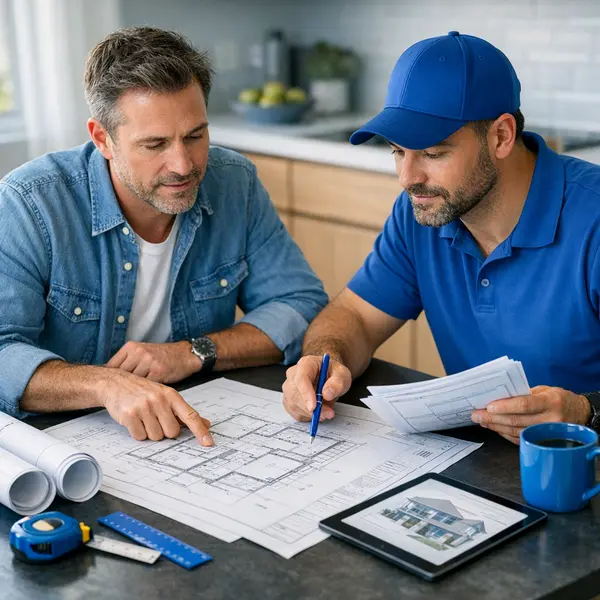
Every ADU project begins with a focused consultation and site review. We discuss how you plan to use the space, evaluate access, utilities, and existing structures, and highlight typical accessory dwelling units ADU requirements that may influence size, placement, and layout.
Alvapareen Construction collaborates with your chosen designer or provides referrals to architects and engineers when needed. Together, we refine floor plans, structural concepts, and elevations so your ADU design is functional, buildable, and ready for permitting.
Permitting and ADU Requirements Review
Our team helps prepare the construction documents required for permit submission and coordinates with local building departments. We review applicable ADU requirements—such as setbacks, height limits, parking rules, and utility connections—and integrate them into the plans to the extent possible.
Regulations for accessory dwelling units vary by jurisdiction and are subject to change, so we focus on practical code compliance support rather than legal advice. We respond to typical plan check comments and corrections, keeping you informed throughout the approval process.
Full ADU Construction Scope
Once permits are issued, Alvapareen Construction manages the full build using the same standards applied to our full-scale new construction projects. Typical construction phases include:
- Demolition and site preparation: Clearing, grading, utility locating, and temporary protections.
- Foundation and framing: Footings, slabs or raised foundations, wall and roof framing.
- Roofing, windows, and doors: Weather‑resistant shell to protect the structure.
- Mechanical, electrical, and plumbing: Rough and final systems for comfort, safety, and efficiency.
- Insulation, drywall, and finishes: Wall finishes, cabinetry, countertops, flooring, and trim.
- Exterior integration: Siding, stucco, paint, lighting, and basic hardscape tie‑ins as defined in the scope.
Actual scope is defined in your contract and may vary based on existing conditions, design choices, and site constraints.
Final Inspections and Walkthrough
Before your ADU is considered complete, we coordinate required municipal inspections and address noted items. After approvals, we conduct a homeowner walkthrough to review systems, finishes, and care recommendations.
Any punch list items identified during the walkthrough are documented and scheduled within the limits of your agreement. Throughout this close‑out phase, our focus remains on clear communication, workmanship, and delivering a finished ADU that aligns with the approved plans.
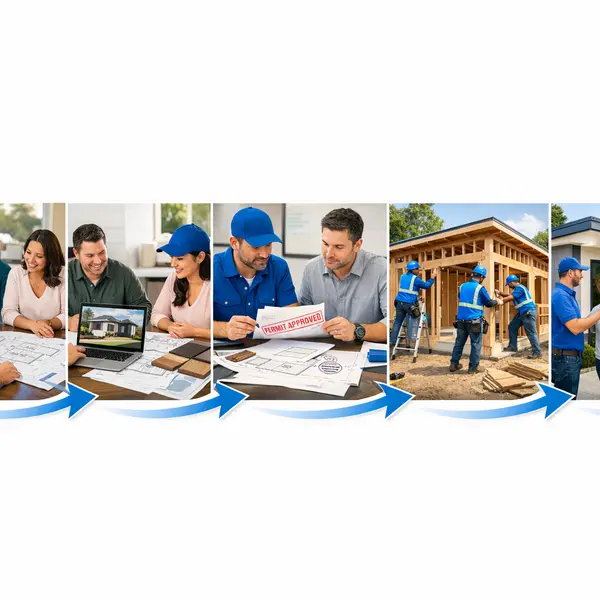
How Our ADU Design–Build Process Works
Every ADU project with Alvapareen Construction follows a clear, repeatable design–build process. We coordinate requirements, design, permits, construction, and inspections so you always know what comes next and who is handling what.
Step 1: Initial Consultation and Site Review
The process starts with a conversation about your goals, preferred timeline, and budget range for your accessory dwelling unit. We review your property, site access, and utilities, often through a site visit, photos, or existing plans. During this stage we also look at applicable ADU requirements for your area so expectations are realistic from the beginning.
To begin, schedule your ADU consultation and share a few details about your project.
Step 2: Concept and Design Coordination
Next, we coordinate with your designer or architect, or connect you with design professionals, to shape the layout and exterior of your ADU. We focus on flow, natural light, privacy, and how the new unit relates to the main home. Throughout, we check likely ADU size limits, setbacks, and zoning parameters so the concept aligns with typical local requirements.
Step 3: Permitting and Pre-Construction Planning
Once a direction is set, we help prepare permit drawings and documentation for submission to the building department. If reviewers request revisions, we coordinate updates with the design team. In parallel, we plan site logistics, review material options, and outline a preliminary construction schedule so you understand the next stages before work begins.
Step 4: ADU Construction and Inspections
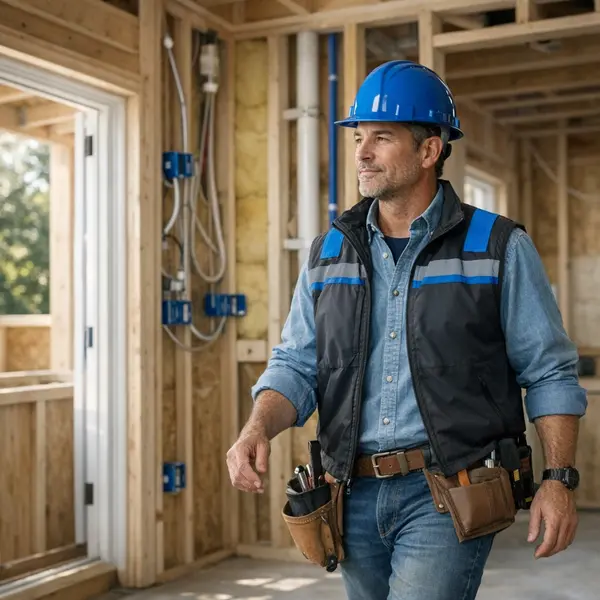
During construction, our field team manages daily activity, coordinates trades, and keeps the site as organized and safe as conditions allow. We provide regular updates so you know what was completed and what is coming next. Required inspections are scheduled and attended, and any items noted by inspectors are addressed as part of our structured quality control process.
Step 5: Final Walkthrough and Handover
When construction is complete and final inspections are passed, we walk the ADU with you to review finishes, fixtures, and functionality. Any remaining touch-ups are noted and scheduled. After that, we provide relevant documentation and care information so you can move forward with confidence, whether you plan to rent the space or use it for family.
Professional ADU Build vs. DIY or Piecemeal Approaches
When planning accessory dwelling units (ADU), many property owners weigh a professional ADU contractor against a DIY ADU or hiring separate trades. On paper, doing more yourself can seem less expensive, but the real differences show up in coordination, compliance, and long-term reliability.
Key Differences in Planning, Compliance, and Quality
Below are core areas where a single accountable design–build team offers a different experience from DIY or piecemeal ADU construction:
- Planning & design coordination: A professional ADU contractor develops integrated plans, structural details, and utilities layouts. DIY or fragmented builds often rely on separate drawings and verbal instructions, increasing the chance of conflict between trades.
- ADU requirements & permits: With a professional team, zoning reviews, LA County ADU requirements, submissions, and revisions are handled systematically. In DIY scenarios, misinterpreting ADU requirements or building codes can lead to plan rejections or costly corrections during inspections.
- Scheduling & timeline control: One design–build partner coordinates electricians, plumbers, framers, and finish crews around a unified schedule. DIY ADU projects often depend on each trade’s availability, which can cause gaps, delays, and rework.
- Communication & accountability: With a single contractor, there is one point of contact responsible for resolving issues. When you manage separate trades yourself, troubleshooting, conflict resolution, and quality disputes typically fall back on the homeowner.
- Quality control & inspections: Professional ADU builders plan around inspections, coordinate corrections quickly, and use checklists for critical elements like waterproofing and structural connections. DIY or piecemeal builds may pass inspections but lack the same depth of coordinated quality assurance.
Long-Term Value and Peace of Mind
A professionally managed ADU often provides clearer documentation, code-compliant construction, and a more predictable process. This can support future resale conversations, rental plans, and refinancing discussions because the work is traceable and properly permitted.
While DIY ADU efforts may reduce some upfront labor costs, the risk of missed details, failed inspections, and coordination issues can add time and expense later. Many owners find that partnering with a professional ADU contractor is less stressful and offers stronger long-term value than trying to manage every element alone.
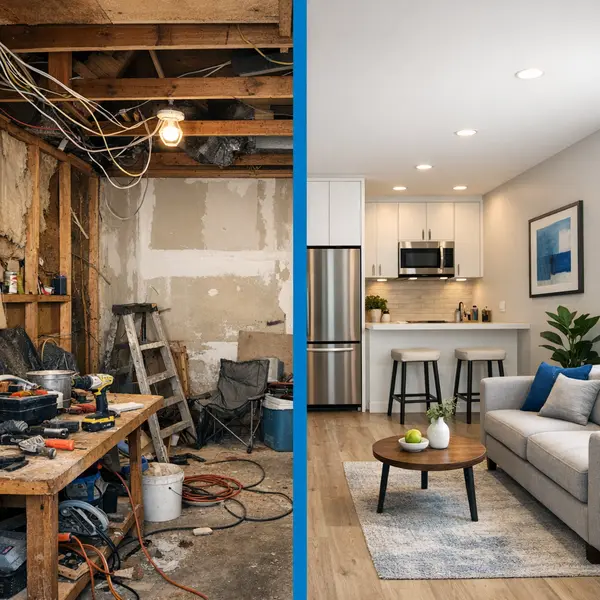

ADU Costs and Pricing Factors
When researching ACESSORY DWELLING UNITS – ADU cost, most homeowners want to know, “How much does an ADU cost from start to finish?” The honest answer is that ADU pricing depends on design, site conditions, and local ADU requirements, so a one-size-fits-all number rarely reflects your actual project.
Instead of generic averages, it is more useful to understand the major cost drivers behind an ADU so you can see where your decisions have the biggest impact on budget and long-term value.
What Affects ADU Pricing?
Several core elements influence overall ADU cost and explain why projects with similar square footage can have very different price ranges:
- Square footage and layout: Larger ACESSORY DWELLING UNITS – ADU require more materials and labor, while complex layouts with multiple bathrooms or corners add to framing and finish time.
- Detached vs. attached or conversion: A stand-alone ADU typically needs a new foundation and exterior walls, while garage or interior conversions may save structure costs but require upgrades to meet current codes.
- Existing structure condition: For conversions, repairing or reinforcing framing, slabs, and roofs to satisfy ADU requirements can increase the scope compared with building new.
- Site access and terrain: Tight access, sloped lots, or limited staging areas can extend construction time and equipment needs, impacting ADU pricing.
- Foundation and structural design: Soil conditions, required footings, and engineering details all affect cost, especially in areas with stricter structural standards.
- Utility capacity and upgrades: Electrical panels, gas lines, sewer, and water may need upgrades or new runs to comply with local ADU and building codes.
- Level of finishes and fixtures: Flooring, cabinetry, tile, countertops, windows, and plumbing fixtures significantly influence the final budget depending on whether you choose standard, mid-range, or premium options.
- Permits, fees, and jurisdictional requirements: City or county plan checks, permits, and possible impact fees vary by jurisdiction and must be included in realistic ADU cost planning.
Aligning ADU Scope With Your Budget
Alvapareen Construction approaches every ADU with a structured budgeting process. We start by clarifying your target range and priorities, then shape the design, layout, and finish levels to fit that framework rather than forcing your project into a generic ADU pricing template.
During consultation, we review trade-offs such as converting an existing garage versus building a detached unit, choosing between higher-end finishes in key spaces like the kitchen and bathroom or keeping a more streamlined specification throughout. We also explain how local ADU requirements, utility upgrades, and site conditions influence the final proposal so you can make informed decisions.
Because every property, jurisdiction, and design is different, the most reliable way to understand your specific ADU cost is through a tailored review of your site and goals.
Common ADU Uses and Project Scenarios
Accessory dwelling units are highly flexible spaces. With the right layout and features, an ADU can support everyday living, work, and hosting needs on the same property, adapting as your lifestyle changes over time.
Homeowners in California commonly use accessory dwelling units for:
- Private suites for parents, adult children, or extended family
- Longer-term rental units where residential rentals are permitted
- Shorter-term stays in areas that allow vacation or corporate rentals
- Fully accessible one-level living spaces with thoughtful circulation
- Quiet home offices, creative studios, or consulting rooms
- Guest houses for visiting friends, relatives, or caregivers
The best design depends on how you plan to use the ADU—bedroom count, kitchen size, storage, and accessibility features can all be tailored. Regulations for accessory dwelling units, including rental uses, vary by jurisdiction, so it is important to review local ADU requirements before committing to a specific scenario.
Alvapareen Construction designs and builds ADUs around real-world use cases, helping you align your floor plan, utilities, and finishes with both your goals and applicable rules.
ADUs for Multigenerational and Family Living
Many property owners choose an ADU to comfortably house aging parents, adult children, or extended family while maintaining privacy for everyone. Separate entrances, compact kitchens, and dedicated bathrooms create an independent living experience, while the close proximity supports everyday check-ins, shared outdoor spaces, and the sense of staying together on one property.
Designs for multigenerational accessory dwelling units often emphasize single-story layouts, thoughtful lighting, and room for accessible features that can be added or upgraded as needs evolve over time.
ADUs as Potential Rental Units
In many areas, accessory dwelling units can be used as long-term rental homes, offering a separate, self-contained residence on the same lot. Practical layouts typically include a full bathroom, efficient kitchen, comfortable living area, and secure access to give renters a clear sense of independence and privacy.
Rules for ADU rentals, including lease length and short-term rental limitations, differ by city and county. Homeowners should confirm local zoning, LA County ADU requirements, and any homeowners’ association rules before planning an ADU specifically around rental use.
ADUs as Dedicated Work or Studio Space
An accessory dwelling unit can also function as a focused workspace or studio, set slightly apart from the main home. Owners often configure these ADUs as home offices for remote work, art or photography studios, rehearsal rooms, or quiet spaces for wellness, tutoring, or consulting appointments.
Flexible floor plans, sound-conscious construction, smart storage, and durable finishes help support a range of professional and creative activities. As with other uses, any business or client-facing work in an ADU should comply with local regulations and permitting requirements.
Related Construction Services
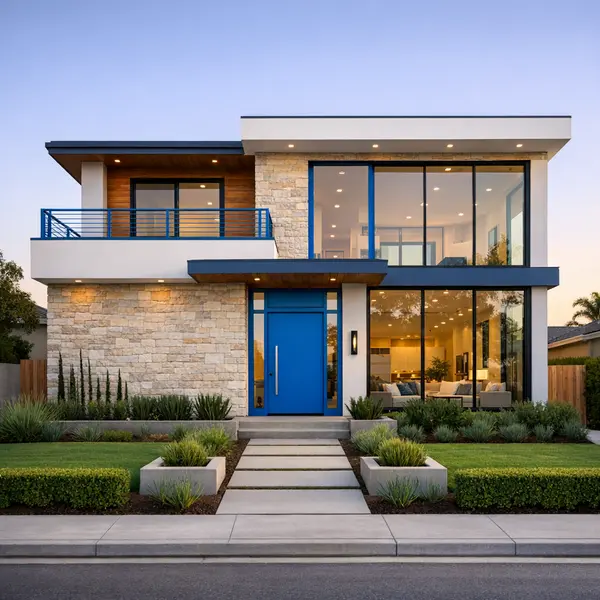
While many property owners start with an ADU concept, some discover that a larger remodel or new build is a better fit. Alvapareen Construction also delivers complete ground-up and major addition projects that can complement or serve as alternatives to your ADU plans.
- New Construction – Ideal when you want a full custom home, significant expansion, or to reconfigure your property beyond what an ADU alone can provide.
- New Construction in Los Angeles – Tailored ground-up building solutions that account for local codes, lot constraints, and long-term investment goals in the Los Angeles area.
Exploring these related services alongside your accessory unit concept can help you compare the value of a focused ADU project versus a broader renovation or complete rebuild strategy.
Accessory Dwelling Unit (ADU) FAQs
Find quick answers to common questions about planning, designing, permitting, and building accessory dwelling units so you can move forward with your ADU project confidently.
What is an ADU and how is it different from a guest house?
An accessory dwelling unit (ADU) is a self-contained residential unit on the same lot as a primary home, with its own kitchen, bathroom, living area, and entrance. Unlike an informal guest house or spare room, an ADU is designed and built to meet local building, zoning, and safety requirements so it can be used as a true independent living space.
How long does it usually take to design and build an ADU?
Most ADU projects take several months from initial planning through completion. The design and planning phase typically requires time for layout development and material selections, followed by permitting, which depends on your local jurisdiction. Construction duration varies with the size, complexity, and site conditions of the project, as well as how quickly decisions are made during the build.
What are the main ADU requirements I should be aware of?
ADU requirements are set by local and state regulations, and details vary by area, but most jurisdictions consider:
- Size limits and maximum floor area allowed for the ADU
- Setbacks from property lines and distances from existing structures
- Height restrictions and overall lot coverage
- Parking provisions or exemptions for ADUs
- Utility connections for water, sewer, gas, and electricity
- Fire, safety, and accessibility standards
Alvapareen Construction reviews applicable ADU requirements for your property and incorporates them into the design and permitting strategy.
How much does it cost to build an ADU?
The cost of building an ADU can vary widely based on size, design complexity, structural needs, site access, finishes, and utility upgrades. Detached new-build ADUs, garage conversions, and over-garage units each have different cost profiles. Alvapareen Construction provides a project-specific budget range after reviewing your property, goals, and preferred level of finishes.
Can my existing garage be converted into an ADU?
Many existing garages can be converted into accessory dwelling units if they meet, or can be upgraded to meet, structural, zoning, and safety requirements. Factors include foundation condition, framing, ceiling height, utility access, and replacement parking provisions if required. A professional site evaluation is the best way to determine whether your garage is a good ADU candidate and what work would be involved.
Do I need permits to build an ADU?
Yes, permits are typically required to design and construct an ADU, including building, structural, electrical, plumbing, and sometimes utility or planning approvals. The exact process, fees, and review timelines depend on your local jurisdiction and the specifics of your project. Alvapareen Construction helps prepare documentation and coordinates with the permitting authorities as part of the ADU build process.
How do I get started with an ADU project with Alvapareen Construction?
To start an ADU project, reach out to Alvapareen Construction to share your property details, goals, and timeline. We typically begin with an initial consultation and, when appropriate, a site review to discuss feasibility, ADU requirements, and budget ranges. From there, we outline a clear design and construction path tailored to your project.
Plan Your Accessory Dwelling Unit With a Trusted Construction Partner
Thoughtfully designed ACESSORY DWELLING UNITS – ADU add lasting value, flexibility, and comfort. Alvapareen Construction focuses on quality, clear communication, and a structured process so your ADU feels well-planned from concept through completion.
When you reach out, our team will review your property goals, discuss feasibility, and outline a realistic path forward that respects your budget and timeline expectations.
- Clarify what type of ADU is feasible for your lot and structures.
- Get a structured starting point for budget planning and next steps.
- Receive guidance on applicable ADU requirements so you can move forward with confidence.
From the first conversation to the final walkthrough, Alvapareen Construction stays involved, explaining each stage, coordinating the details, and helping you make informed decisions at every step of your ADU project.
Share your ideas, and our team will follow up to schedule a consultation and outline the next steps for your accessory dwelling unit.