
New Construction: A Practical Buyer Guide for Planning, Costs, and Builder Selection
What Buyers and Property Owners Should Know About New Construction
New Construction offers flexibility, modern design, and long-term value—but it also involves decisions that go far beyond browsing listings. This guide breaks down the full picture: planning, builder selection, cost drivers, contracts, inspections, incentives, and what to expect at each stage. Whether you’re exploring new construction homes, evaluating builders, or comparing move-in-ready options, understanding the process helps you make confident, informed choices.
At Alvapareen Construction, our approach is Built for Transformation—focused on clarity, quality, and results that align with your goals as a homeowner or investor.
Why a detailed new construction guide matters
Many online resources highlight photos or available properties, but fewer explain how the new build home buying process actually works. Key factors like contracts, timelines, inspections, and builder qualifications can significantly affect your outcome. A structured, text-based guide gives you the context needed to compare options and avoid common gaps in understanding.
Who this article is for
This guide is designed for homeowners, property owners, and real estate investors evaluating custom home builders, production home builders, and new construction communities. It also supports buyers considering move-in-ready new homes or weighing incentives versus long-term value in a new construction investment.
What New Construction Includes and How Project Types Differ
A simple definition of new construction
New Construction refers to building a home or structure from the ground up, starting with raw land or a cleared lot and progressing through planning, approvals, construction, inspections, and final handoff. Unlike remodeling, everything is newly designed and built to current codes and project goals.
With new construction services, the scope often includes site evaluation, design coordination, permitting, foundation work, framing, systems installation, interior finishes, and a final punch list before turnover. Experienced new construction home builders help coordinate these phases to keep the project aligned from concept to completion.
Common project types buyers compare
Custom homes
Fully tailored design, materials, and layout. Ideal for homeowners who want complete control and a one-of-a-kind result.
Semi-custom homes
Based on pre-designed plans with flexible options for finishes and layout adjustments. A balance between customization and efficiency.
Production builds
Developed by production home builders in planned communities. Standardized designs streamline timelines and costs.
Move-in-ready new homes
Completed or near-complete homes built speculatively. Suitable for buyers prioritizing speed over customization.
Some property owners also compare full new construction homes with options like adding an Accessory Dwelling Unit (ADU), depending on space, budget, and long-term goals.
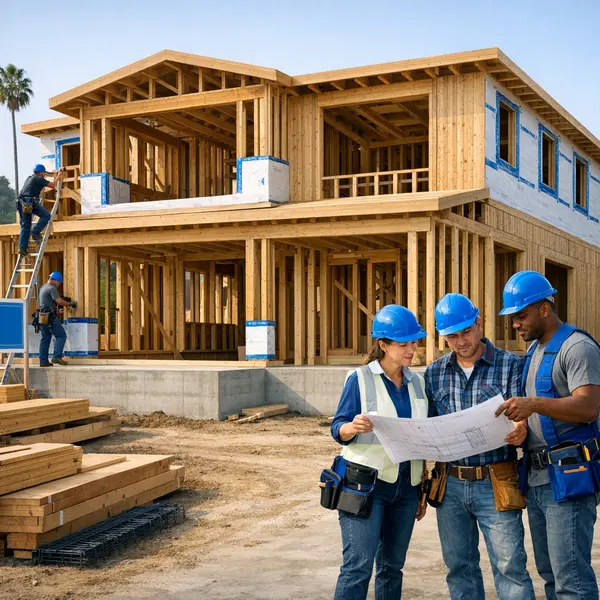
Why Buyers Choose New Construction Over Older Properties
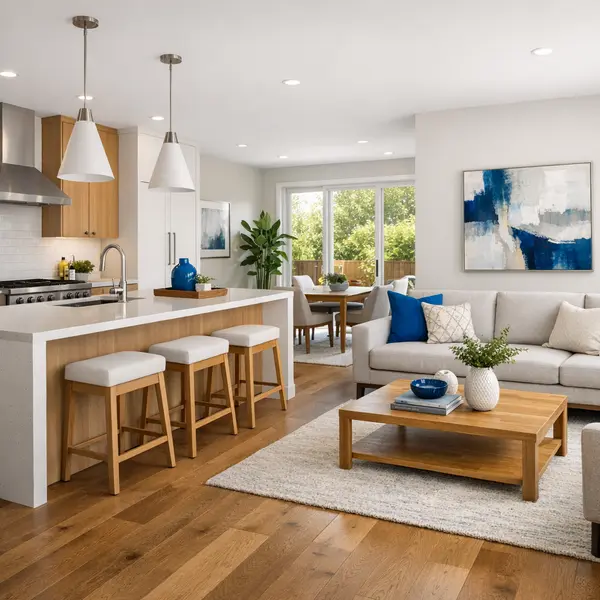
Many buyers consider new construction homes for the control, condition, and long-term usability they can offer. While older properties often bring character and established neighborhoods, new builds appeal to those who want updated systems, modern layouts, and fewer immediate repair concerns. The right choice depends on priorities like budget, timeline, and how much customization you want in your space.
- Flexible design options or curated finishes in move-in-ready new homes
- Layouts that reflect how people live today—open living areas, storage, and home office space
- Energy-conscious materials and systems aligned with current building codes
- Reduced likelihood of near-term repairs compared with aging components
- Access to planned amenities in some new construction communities
Some buyers prefer working with custom home builders for full control, while others choose production home builders for faster timelines and simplified decisions. There are also cases where expanding an existing property—such as adding living space through an ADU project or exploring garage conversion options—may better align with budget or site constraints.
If you’re comparing paths, reviewing how new construction projects are planned and built can help clarify what’s involved before making a decision.
Customization, layout, and modern building standards
A key advantage of New Construction is the ability to shape the home around your needs. Depending on the project, buyers may select floor plans, finishes, and functional features that match their lifestyle. Modern construction also reflects updated codes and materials, which can support durability and efficiency compared to older homes that may require phased upgrades.
When new construction may be the better fit
New builds may be a good option if you want a more predictable building process, fewer renovation unknowns, or access to community planning and amenities. They can also suit buyers who prefer a clean starting point over renovating an older structure. That said, site conditions, permitting requirements, and design scope can influence timelines and costs, so evaluating your priorities early is essential.
The New Construction Process From Early Planning to Final Handover
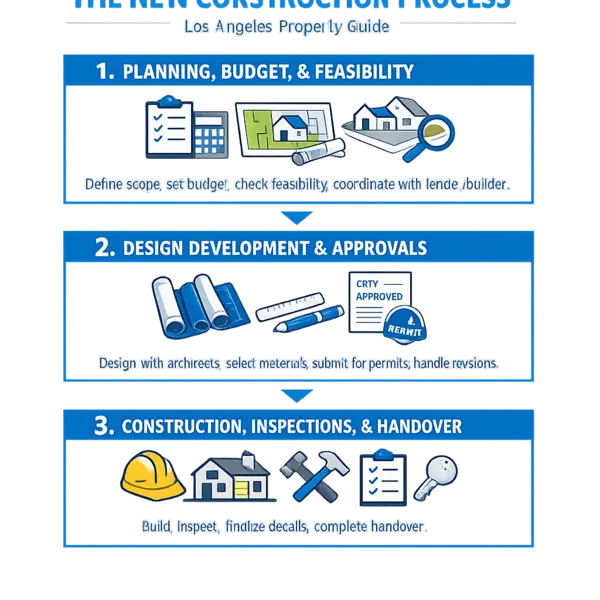
Understanding the full New Construction process helps you plan realistically and avoid costly surprises. While every project is unique, most new construction homes follow a clear sequence—from early feasibility to final handover. Timing can vary based on design complexity, approvals, site conditions, weather, and any changes made during construction.
Phase 1: Planning, Budget, and Feasibility
This phase defines your goals and sets the foundation for the entire project. You’ll establish your intended use, budget range, and financing readiness while evaluating the property or lot. Early feasibility includes reviewing zoning, site constraints, and utility access.
Key players often include the buyer, lender, builder, and sometimes a designer or consultant. Early coordination helps determine whether your vision aligns with site realities and budget expectations.
Phase 2: Design Development and Approvals
During design, your plans take shape through collaboration with architects, designers, and custom home builders or production home builders. Scope details, materials, and selections are refined, and drawings are prepared for submission.
Permitting and jurisdiction review follow. This step can involve revisions and coordination with local agencies, which may affect timelines. A structured team helps manage documentation, approvals, and compliance requirements efficiently.
Phase 3: Construction, Inspections, and Closeout
Construction begins with site preparation, followed by structural work, systems installation (electrical, plumbing, HVAC), and interior/exterior finishes. Inspections occur throughout to confirm compliance with building standards.
Near completion, a punch list identifies final adjustments. The process ends with documentation, final walkthroughs, and handover. A coordinated builder ensures quality control and clear communication across all phases of the new build home buying process.
For a closer look at how a coordinated team manages each stage, explore New Construction Services for Custom Homes & Developments. If you’re evaluating local considerations, timelines and approvals can also vary depending on regional requirements—see New Construction in Los Angeles | Alvapareen Construction for additional context.
New Construction Costs, Financing Factors, and Builder Incentives
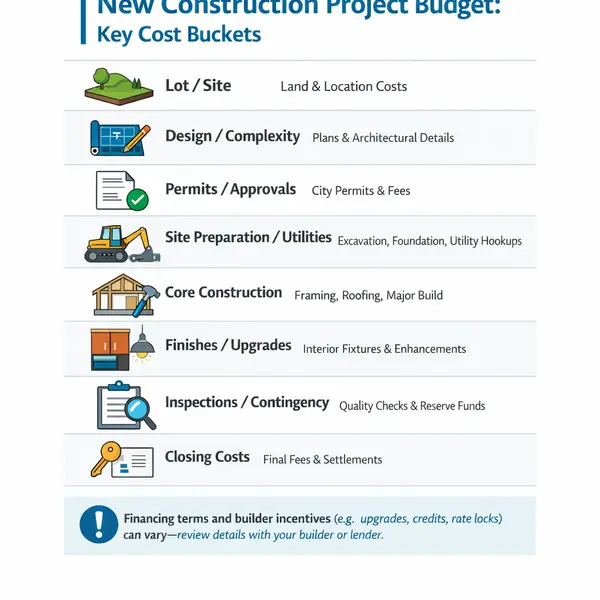
Understanding New Construction costs goes beyond the base price you may see advertised. Total project budgets can vary significantly depending on site conditions, design choices, and contract details. A clear view of cost categories helps you plan realistically and avoid surprises during your build.
What usually drives total project cost
- Lot and site conditions: grading, soil quality, access, and drainage needs
- Design and complexity: custom layouts, structural engineering, and architectural plans
- Permits and approvals: local requirements, plan checks, and inspection fees
- Site preparation and utilities: excavation, foundation work, water, sewer, and electrical connections
- Materials and labor: market-driven costs and availability
- Finishes and upgrades: cabinetry, flooring, fixtures, and smart-home features
- Inspections and contingency: allowances for unexpected conditions or scope adjustments
- Closing-related costs: final documentation, fees, and move-in readiness
Be cautious with allowances and upgrade selections—these can shift your final price quickly if not clearly defined in your contract.
Financing and incentive considerations
Financing a new build may involve traditional mortgages for completed homes or construction-related lending structures, depending on the project type. Lenders often require detailed plans, cost breakdowns, and builder qualifications before approval. Rate lock terms and draw schedules should be reviewed carefully with your lender.
Some new construction home builders offer incentives such as upgrade credits, assistance with closing costs, or pricing adjustments on move-in-ready new homes. These offers can be valuable, but they vary widely and should always be evaluated within the full contract—not just marketing materials.
For a deeper look at scope and planning, explore New Construction Services for Custom Homes & Developments to better understand how project requirements connect to overall cost.
New Construction vs Resale and How to Compare Builder Options
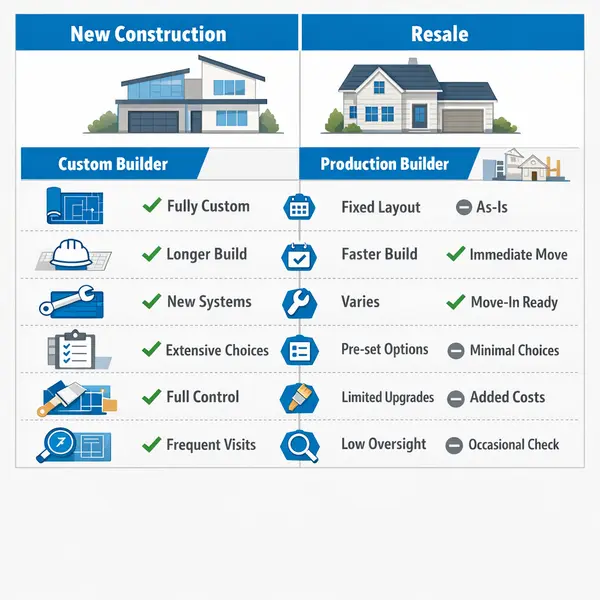
Choosing between new construction and resale—and selecting the right type of builder—comes down to how much control, time, and involvement you want. Each path offers tradeoffs in customization, timeline, and long-term maintenance, so a clear comparison can help you align your decision with your goals.
New construction vs resale homes
Customization: New construction homes allow you to shape layouts, finishes, and systems. Resale homes are fixed, with changes requiring renovation.
Maintenance expectations: New builds typically start with fewer immediate repairs, while resale properties may come with aging systems or deferred maintenance.
Timeline: Move-in-ready new homes and resale properties offer faster occupancy. Ground-up construction takes longer and depends on planning, approvals, and build complexity.
Negotiation dynamics: Resale often involves price negotiation with sellers. In new construction communities, pricing and incentives may be structured differently, sometimes focusing on upgrades or financing terms rather than base price reductions.
Custom builders vs production builders
Custom home builders: Offer maximum flexibility in design, materials, and layout. You’ll have greater control and involvement, but decisions are more extensive and costs vary based on selections and site conditions.
Production home builders: Provide pre-designed plans in new construction communities with streamlined processes. Options and upgrades are structured, which can simplify decisions but limit personalization.
Semi-custom approach: Falls in between—allowing modifications to existing plans while maintaining some efficiency in pricing and process.
If you want tailored design and hands-on control, custom building may fit best. If speed, predictability, and simplified decisions matter more, production or move-in-ready new homes can be a practical choice.
Common Mistakes, Contract Red Flags, and Quality Checks to Prioritize
Even well-planned New Construction projects can run into issues if key details are overlooked. Whether you’re comparing new construction home builders or evaluating new construction homes, knowing what to question—and what to document—can help you avoid delays, unexpected costs, and quality concerns.
Mistakes that can affect budget or timeline
- Assuming upgrades are included instead of confirming base vs. upgraded features
- Misunderstanding allowances for materials like flooring, cabinets, or fixtures
- Not reviewing how change orders are priced, approved, and scheduled
- Underestimating total costs beyond the base price (permits, finishes, site conditions)
- Skipping independent inspections when appropriate for added quality verification
What to review before signing and before closing
- Contract scope, inclusions, exclusions, and all addendums
- Builder experience, references, and communication process
- Milestone tracking and documentation of selections and approvals
- Warranty coverage details and written documentation
- Punch-list process and final walkthrough expectations before closing
How to Prepare for a New Construction Project Before You Commit
Starting a New Construction project is a major investment, and early preparation helps you avoid costly surprises. Before speaking with builders or reviewing plans, organize your goals, budget, and expectations so you can compare options clearly and move forward with confidence.
Step 1: Define your project goals
Clarify how the property will be used, your preferred layout, and must-have features. Decide whether customization or speed is your priority, especially when comparing custom home builders and production home builders. Establish a rough size range and realistic timeline expectations.
Step 2: Set a realistic budget range
Plan beyond the base construction cost. Include allowances, upgrades, design fees, permits, and a contingency for unexpected conditions. A clear budget range helps you evaluate new construction homes and avoid focusing only on initial estimates.
Step 3: Compare builders, process, and documentation
Review each builder’s experience, communication style, and scope clarity. Ask how they handle change orders, timelines, and warranties. Comparing documentation and past work gives you a clearer picture than relying on marketing alone.
Step 4: Prepare for a professional consultation
Bring property details, inspiration images, and a list of priorities to your consultation. Be ready to discuss site conditions, feasibility, and permitting considerations, which can vary by project.
If you’re exploring alternatives, a smaller project like an Accessory Dwelling Unit (ADU) may better align with your goals.
To review your options in detail, explore New Construction Services for Custom Homes & Developments and prepare for a more informed project discussion.
Frequently Asked Questions About New Construction
What is considered new construction?
New construction refers to a home or building that has never been occupied. This includes fully custom builds, homes developed by new construction home builders, and move-in-ready new homes within newly built communities. These properties typically meet current building codes and use modern materials and systems.
Is new construction more expensive than buying a resale home?
New construction homes can have a higher upfront cost, but the total cost depends on design choices, materials, location, and builder type. Custom home builders typically offer more flexibility at a higher cost, while production home builders may offer standardized pricing. Long-term maintenance costs may be lower with newer systems.
How long does a new construction project usually take?
The timeline for a new build home buying process varies based on project size, permitting, weather, and customization level. Some move-in-ready new homes are available immediately, while fully custom homes may take several months or longer depending on complexity and approvals.
Can you customize a new construction home?
Yes, customization depends on the builder and stage of construction. Custom home builders allow extensive personalization, while production home builders may offer preset packages or limited design options. Early decisions typically allow for greater flexibility.
Should buyers get an inspection on a new construction home?
Yes, independent inspections are still recommended. Even with new construction, third-party inspections at key stages—such as foundation, framing, and final walkthrough—can help identify issues early and ensure quality standards are met.
What costs are easy to overlook in new construction?
Common overlooked costs include site preparation, utility connections, landscaping, permit fees, upgrades, and change orders. It’s also important to review allowances carefully, as final selections can increase the total project cost.
Do builders offer incentives on new construction homes?
Some builders provide new home incentives such as design upgrades, closing cost assistance, or financing options. These offers vary by builder, market conditions, and project stage, so it’s important to review terms carefully before relying on them.
What should I ask before signing a builder contract?
Key questions include what is included in the base price, how allowances work, how change orders are handled, estimated timelines, warranty coverage, and payment schedules. Clear documentation helps avoid misunderstandings during the project.
How do warranties work for new construction?
New construction warranties typically cover workmanship, systems, and structural components for defined periods. Coverage details vary by builder and contract, so reviewing warranty terms carefully is essential before moving forward.
Is a move-in-ready new home different from building from scratch?
Yes. Move-in-ready new homes are already completed or near completion, offering faster occupancy with limited customization. Building from scratch allows full control over design and layout but typically requires a longer timeline and more decision-making throughout the process.
Discuss Your New Construction Plans With Alvapareen Construction
If you’re moving forward with a New Construction project, the next step is a focused conversation about your goals, site conditions, and overall scope. At Alvapareen Construction, we help property owners evaluate whether a custom build, development project, or alternative construction approach makes the most sense based on your priorities.
You can also explore our New Construction Services for Custom Homes & Developments to better understand how we approach planning, design coordination, and execution before reaching out.
What to prepare before reaching out
- Property details, including lot size or existing structure information
- Your desired scope (custom home, addition, or development)
- Style preferences or inspiration images
- General timeline expectations
- Budget range or investment goals
Final Thoughts on Planning a New Construction Project
A successful New Construction project comes down to informed planning and disciplined decision-making. From understanding the new build home buying process to evaluating new construction home builders, each step plays a role in shaping the final outcome.
Key takeaway summary
Keep your project grounded by focusing on the essentials: define your goals early, plan for cost variables, carefully compare custom home builders and production home builders, and review contracts in detail. Stay engaged during construction, schedule inspections at key phases, and maintain realistic expectations about timelines and adjustments.
Use this guide as a working checklist as you move forward—and when you’re ready to explore your options in more detail, review new construction services for custom homes and developments to better understand your next steps.