
How to Find the Right New Construction Developments Near Me
What People Usually Mean by “New Construction Developments Near Me”
The search for new construction developments near me can point in a few different directions. Some people are looking for move-in-ready homes, new construction apartments, or master-planned communities. Others are exploring how to start or invest in new construction projects, from small residential builds to larger multi-unit developments. This guide is designed to bridge both perspectives, offering a clear, practical overview rather than just a gallery of listings—because successful outcomes depend on understanding the full process. At Alvapareen Construction, our approach is simple: Built for Transformation.
Why this search means different things
Depending on your goals, this search may mean comparing new construction communities and new build apartments, evaluating affordable housing developments or energy efficient housing options, or identifying a qualified construction partner to plan and execute a project. Buyers, investors, and property owners each approach new construction developments with different priorities—pricing, timelines, design control, or long-term value.
What this guide will help you compare
- Types of new construction developments, including apartments, housing communities, and mixed-use projects
- Key decision factors like location planning, design flexibility, and long-term usability
- Typical development phases, from early planning through construction and completion
- Cost influences such as materials, site conditions, and project scope
- When it makes sense to engage a construction team or development partner
What Counts as a New Construction Development
New construction developments are ground-up residential or mixed-use projects built on previously undeveloped or cleared land, designed and permitted for entirely new occupancy. When people search for new construction developments near me, they’re typically exploring newly built homes, apartments, or communities rather than renovated properties.
These projects vary widely in scale and purpose, from single custom homes to large multi-unit communities. If you’re exploring new construction services for custom homes and developments, understanding these categories helps you evaluate what fits your goals.
A simple definition readers can use
A new construction development is a planned, permitted, and newly built residential or mixed-use project created for first-time occupancy, not adapted from an existing structure.
Common project types
- Custom homes: One-of-a-kind residences built for specific owners.
- New construction communities: Master-planned neighborhoods with shared design and amenities.
- Townhomes: Attached multi-level homes with individual entrances.
- New build apartments: Multi-unit buildings designed for rental living.
- Affordable housing developments: Projects designed to meet income-based housing needs.
- Senior housing new construction: Age-focused communities with accessibility features.
Typical features and amenities
Modern new construction housing often includes community rooms, learning centers, shared laundry areas, landscaped courtyards, balconies or patios, and structured parking. Many new construction apartments also incorporate green building strategies, energy efficient housing systems, and transit-oriented development planning. The right fit depends on whether you’re evaluating lifestyle, long-term investment potential, or development strategy.
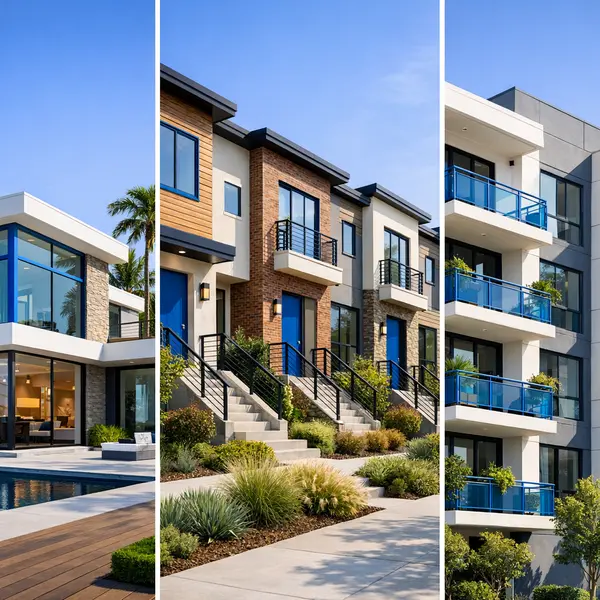
Why Many Buyers, Owners, and Investors Look for New Construction Developments
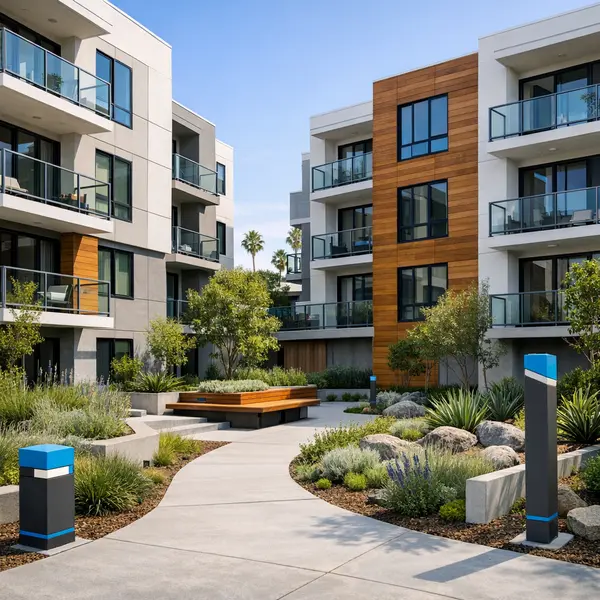
When evaluating new construction developments near me, many buyers and property owners look beyond curb appeal. The real value often comes from how a project is designed, built, and positioned for long-term use. From layout efficiency to sustainability and community planning, newer developments are typically created to meet today’s living and operational expectations.
Modern functionality and user experience
New construction apartments and housing communities are often designed with current lifestyles in mind. Open layouts, integrated kitchens, flexible workspaces, and improved storage solutions can make everyday living more practical. Site planning also tends to prioritize better circulation, parking access, and shared amenities—features that may be limited in older properties.
Efficiency, sustainability, and code alignment
Many new construction projects incorporate energy efficient housing features and modern building systems that may help reduce long-term operating costs. Green building apartments, updated insulation, and newer mechanical systems are typically aligned with current building codes. While performance varies by project, these elements can support more predictable maintenance planning compared to aging structures.
Better alignment with community and occupancy goals
Today’s new construction communities are often tailored to specific demographics and use cases. This includes family apartment communities, senior housing new construction, and transit-oriented development designed around accessibility and daily convenience. Some projects also focus on affordable new construction or mixed-use planning, helping owners and investors align development goals with market demand.
Understanding these benefits can make it easier to compare options—not just by finishes, but by how well each development supports long-term value, usability, and project intent.
How to Compare New Construction Developments Near You
When searching for new construction developments near me, it’s easy to focus on photos or marketing descriptions. A better approach is to compare developments using clear, practical criteria that reflect how the property will actually function over time.
Core criteria to compare first
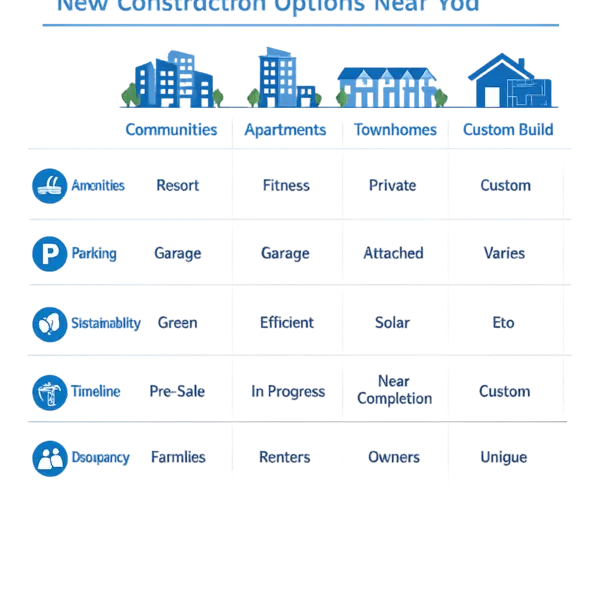
- Project type: apartments, townhomes, or new construction communities
- Occupancy purpose: family living, senior housing, or mixed-use
- Amenities: shared spaces, outdoor areas, and lifestyle features
- Parking approach: garages, structured parking, or limited spaces
- Transit access: proximity to public transportation and major routes
- Sustainability: green building apartments and energy efficient housing features
- Construction stage: planned, in progress, or completed
Match the development to your real goal
A family apartment community prioritizes space and shared amenities, while senior housing new construction focuses on accessibility and convenience. Investors may prioritize density and long-term returns, while owner-builders may explore custom paths with a contractor. If you’re planning rather than moving, reviewing new construction development options with a builder helps clarify scope early.
Check status before making assumptions
Not all new construction projects are move-in ready. Some are still in planning, others are under construction, and some are fully completed. Availability, leasing timelines, and purchase options can vary, so it’s important to verify status directly rather than relying on listings alone.
What the New Construction Planning Process Usually Involves
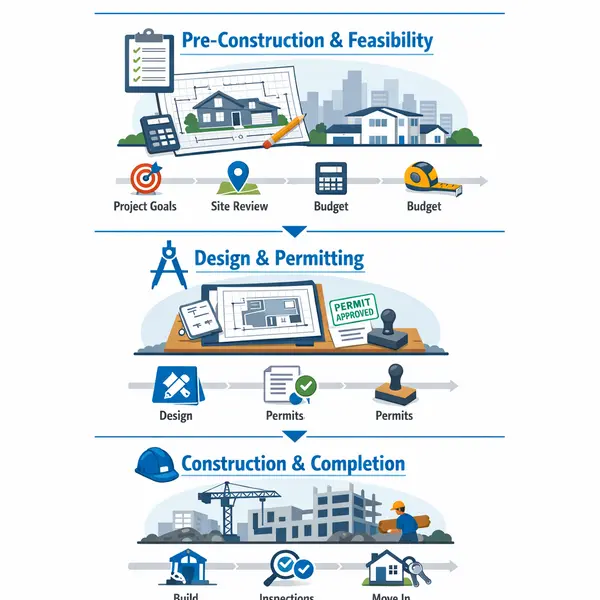
When evaluating new construction developments near me, it helps to understand the full planning process behind each project. Whether you’re looking at new construction apartments, custom homes, or larger new construction communities, every development follows a structured sequence that balances design, feasibility, permits, and construction execution. Timelines and complexity can vary depending on project size, site conditions, and approval requirements.
Pre-construction and feasibility
The process starts with defining project goals and evaluating the site. This includes reviewing land use, zoning considerations, utilities, and access. Early feasibility helps determine whether the vision—such as affordable housing developments, family apartment communities, or energy efficient housing—aligns with budget expectations and site limitations. Professional input at this stage is critical to avoid costly redesigns later.
Design, approvals, and permitting
Once feasibility is confirmed, the project moves into conceptual and detailed design. Architects, engineers, and project managers coordinate layouts, structural plans, and building systems. Permit documentation is then prepared and submitted to local authorities. Approval timelines can vary based on jurisdiction, project scope, and compliance requirements, especially for larger new construction projects or transit-oriented development.
Construction, inspections, and completion
After permits are secured, construction begins with site preparation, foundation work, framing, and system installations. Throughout the build, inspections ensure the project meets code and safety standards. Final steps include punch list corrections, system testing, and project closeout. Larger developments like new build apartments or mixed-use housing typically require more coordination across teams and phases.
For a deeper look at how these phases apply in real-world projects, explore new construction process, costs, and permitting considerations. Working with an experienced team helps ensure each phase is planned and managed with clarity.
Cost and Timeline Factors That Shape New Construction Developments
When comparing new construction developments near me, understanding what actually drives cost and schedule is essential. Budgets and timelines are shaped by a combination of site conditions, design decisions, regulatory steps, and construction logistics. Each project—whether new construction apartments, mixed-use buildings, or new construction housing—varies based on scope and complexity, so professional evaluation is key before setting expectations.
The biggest cost drivers
- Site conditions, grading needs, and soil stability
- Project size, density, and structural requirements
- Design complexity and architectural detailing
- Parking structures, underground work, or access constraints
- Utility connections, upgrades, and infrastructure work
- Amenities such as shared spaces, landscaping, and recreation areas
- Material selections and construction methods
- Compliance with building codes, sustainability goals, and energy-efficient housing standards
What tends to affect the schedule
Timelines for new construction projects depend on multiple moving parts. Planning approvals, permit reviews, and revisions can influence early phases. During construction, procurement timelines, inspections, sequencing of trades, and coordination between teams all play a role. Weather, site access, and design changes may also impact progress.
For a deeper breakdown of planning and approvals, see this guide on new construction process and permitting. You can also review how scope and planning align with professional services on the new construction services page.

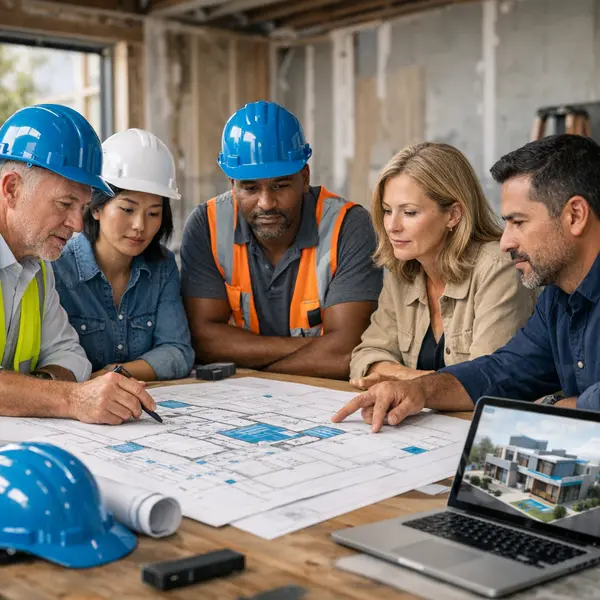
What to Check Before Choosing a New Construction Development or Builder
When comparing new construction developments near me, it’s easy to focus on finishes and pricing—but the real difference comes down to planning clarity, project intent, and execution. Use this checklist to avoid mismatches and make more confident decisions.
Verify the project and scope first
- What stage is the project in—planning, permitting, or active construction?
- Is it designed for family apartment communities, senior housing new construction, or another use case?
- Are permits in progress, and what approvals are still pending?
- Which amenities are guaranteed features vs. marketing concepts?
- How are access, parking, and traffic flow handled on-site?
- Are sustainability elements like energy efficient housing or green building systems included?
Ask the right builder or contractor questions
- How is the scope defined, and what happens if changes are needed?
- What does the communication process look like during the build?
- What timeline assumptions are being made, and what factors could affect them?
- How are compliance, inspections, and quality checks handled?
- Do you actually need a full new construction project, or would a smaller solution—like an ADU or garage conversion—better match your goals?
For a deeper breakdown of planning, costs, and builder selection, see New Construction: A Practical Buyer Guide for Planning, Costs, and Builder Selection.
How to Evaluate New Construction Developments and Decide Your Next Step
Searching for new construction developments near me is only the first step. Use this simple, decision-focused process to move from browsing listings to choosing the right project path with confidence.
Step 1: Clarify what you are actually searching for
Define your goal early: are you planning to move into a new construction community, invest in new construction apartments, or build a custom project? This clarity narrows your search and helps you compare the right types of new construction projects.
Step 2: Shortlist the right project types
Compare options like new build apartments, townhomes, or full new construction communities. If your needs are smaller in scale, consider alternatives like Accessory Dwelling Units (ADUs). Focus on what best matches your budget, lifestyle, or investment goals.
Step 3: Verify timeline, amenities, and planning realities
Check whether the development is pre-construction, in progress, or completed. Review parking, transit access, and features like energy efficient housing or green building apartments. Timelines and approvals can vary, so confirm details before making decisions. For deeper insights, review what to know before building or buying in California.
Step 4: Request a professional review of your options
Once you’ve narrowed your choices, discuss your goals with a qualified construction team. A professional review helps align scope, budget expectations, and feasibility. To explore next steps, review New Construction Services for Custom Homes & Developments and see how your project can move forward.
Frequently Asked Questions About New Construction Developments Near Me
Intent and definition questions
What does “new construction developments near me” usually include?
It typically includes recently built or planned residential and mixed-use projects such as new construction apartments, townhomes, single-family communities, and custom builds, along with listings for new construction housing and new construction projects in your area.
How can I tell whether a development is completed, under construction, or still in planning?
Check listing details for status labels, review project timelines, and look for building permits or planning approvals. Developer pages and local planning departments often indicate whether a project is pre-construction, active, or finished.
Comparison and planning questions
What should I compare between apartments, townhomes, and custom builds?
Compare ownership structure, design flexibility, long-term maintenance, HOA requirements, and location. New build apartments prioritize convenience, while custom builds offer control over layout and materials.
Are new construction developments more energy efficient?
Many new construction communities incorporate energy efficient housing features like improved insulation, modern HVAC systems, and green building apartments standards, but performance varies by builder and design.
What factors affect the cost of a new construction project?
Costs can vary based on land conditions, materials, design complexity, labor, permits, and location. Affordable new construction options may limit customization, while high-end builds increase scope and finish costs.
How long does a new construction development usually take?
Timelines depend on project size, approvals, and site conditions. Planning and permitting can take months, while construction phases vary widely for multi-unit developments versus single builds.
Do developments always include amenities like parking or shared spaces?
Not always. Amenities such as parking, laundry, or community areas depend on project type, zoning, and developer priorities. Transit-oriented development may reduce parking in favor of accessibility.
What permits or approvals may be needed?
Most new construction projects require zoning approvals, building permits, and inspections. Requirements vary by jurisdiction and should be confirmed before starting any work.
Next-step and service questions
When should I contact a contractor or builder?
If you’re evaluating feasibility, costs, or timelines beyond listings, it’s helpful to consult a contractor early. Professional input can clarify scope, site constraints, and realistic planning steps.
Can an ADU be a better fit than a full development?
Yes, in some cases. Accessory Dwelling Units (ADUs) can offer a smaller-scale alternative to large new construction developments, especially for adding value or rental space on an existing property.
Discuss Your Construction Plans With a Qualified Team
If you’re comparing new construction developments near me, weighing build vs. buy, or shaping a custom project, a focused conversation can clarify scope, feasibility, and next steps. Alvapareen Construction helps you translate research into a practical plan without overpromising outcomes or timelines.
When a consultation makes sense
- Comparing new construction projects, communities, or unit types
- Evaluating site feasibility, zoning considerations, and build approach
- Planning a custom home, ADU, or multi-unit development
- Reviewing budgets, phasing, and realistic scheduling expectations
Best next step for serious planners
Start by reviewing our New Construction Services for Custom Homes & Developments to understand how we approach planning, design coordination, and execution. Then connect with our team to discuss your goals, property details, and preferred development path.
Choose New Construction Options With Better Context
Finding the right new construction developments near me comes down to more than curb appeal. The best choice aligns with your goals, budget range, timeline expectations, and how the project is actually planned and built. From new construction apartments to larger new construction communities, each option carries different trade-offs that should be evaluated carefully.
Instead of relying on marketing visuals alone, take time to verify development status, included features, build quality, and long-term fit. A well-informed comparison helps you avoid surprises and make decisions with confidence.
The main takeaway
The right development isn’t just the one that looks best—it’s the one that fits your needs, timeline, and construction realities. Reviewing professional guidance and understanding how new construction projects are executed can make a meaningful difference. For a deeper look at planning and building options, explore new construction services and project details from Alvapareen Construction.