
New Construction in Los Angeles: Process, Permits, Costs, and What to Know
What to Know About New Construction in Los Angeles
New Construction in Los Angeles covers a wide range of ground-up projects, from custom single-family homes and townhomes to multifamily developments and mixed-use buildings. While the opportunities are significant, building here involves more layers than many other markets—zoning rules, permitting pathways, site conditions, and neighborhood context all shape how a project moves forward.
Across areas like West Los Angeles and the broader Westside, demand for new housing, ADUs, and redevelopment continues to evolve, making informed planning essential. This guide breaks down the Los Angeles construction process, including permits, timelines, cost factors, and key decisions to help you approach your project with clarity. Alvapareen Construction is Built for Transformation, and this article is designed as a practical roadmap—not a sales pitch.
Why This Guide Matters
New construction Los Angeles projects often require deeper planning due to zoning restrictions, density limits, building permits, and site-specific constraints like lot shape or access. Understanding these factors early can help reduce delays, improve decision-making, and align expectations before construction begins.
Who This Guide Is For
This guide is built for homeowners, real estate investors, developers, and commercial property owners exploring how to build a house in Los Angeles or start a larger construction project. Whether you’re planning residential construction or evaluating a mixed-use opportunity, the goal is to give you a clear, structured starting point.
What Counts as New Construction in Los Angeles
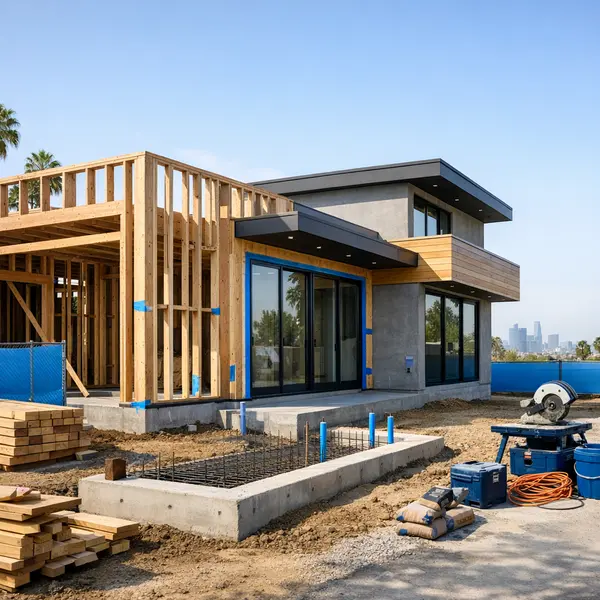
New Construction in Los Angeles refers to building a structure from the ground up on a vacant or cleared lot, or fully redeveloping an existing property into a new building under current codes and approvals. Unlike remodeling, it involves new foundations, structural systems, and complete permitting aligned with local zoning and land use regulations.
For property owners exploring new construction in Los Angeles services, the scope can vary widely depending on lot size, zoning, neighborhood context, and intended use. Projects are shaped early by Los Angeles zoning requirements and building permits, which define what can realistically be built.
A Simple Definition of New Construction
In practical terms, new construction means creating an entirely new building system rather than modifying an existing one. This includes site preparation, foundation work, structural framing, utilities, and full compliance with current Los Angeles construction standards.
Common Project Types in Los Angeles
- Custom single-family homes: Built from scratch on private lots for homeowners.
- Townhomes: Multi-unit residential developments in urban neighborhoods.
- Multifamily and apartments: Investment-focused housing projects with multiple units.
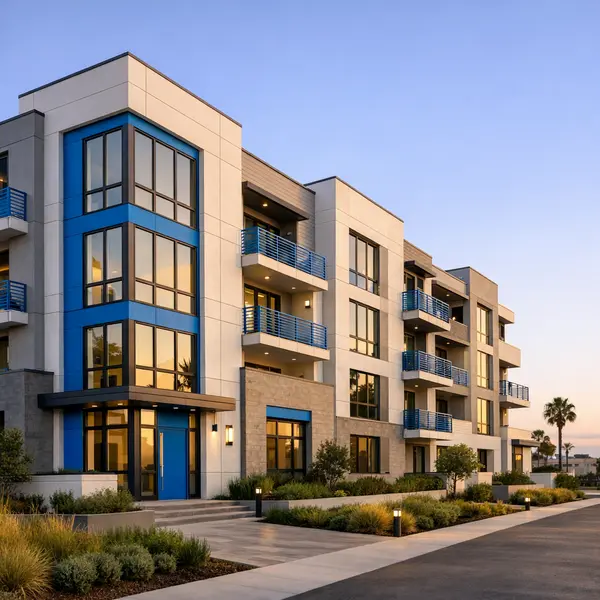
- Mixed-use buildings: Combining residential and commercial spaces in one structure.
How New Construction Differs From Remodeling or Conversions
Remodeling updates or reconfigures existing structures, while ADUs and garage conversions reuse existing footprints. New construction, by contrast, involves full structural design, new systems, and more complex approvals. It typically requires deeper planning, broader permitting, and coordination across zoning, engineering, and construction phases.
For a deeper look at planning, budgeting, and selecting the right builder, see New Construction: A Practical Buyer Guide for Planning, Costs, and Builder Selection.
Why Property Owners Choose New Construction in Los Angeles
New Construction in Los Angeles is often chosen for flexibility, long-term planning, and better alignment with today’s building standards. Whether the goal is owner-occupancy, rental income, or redevelopment, starting from the ground up can help tailor a project to the property’s specific constraints and opportunities.
More Control Over Layout and Use
Ground-up construction allows you to design around how the space will actually be used. Floor plans, unit mix, parking strategies, and future expansion can be considered early, rather than adapting to an existing structure. This can be especially useful for multi-unit or mixed-use concepts common in Los Angeles.
Better Use of the Property
In a high-density market, land use matters. New construction may help optimize lot coverage, height allowances, and allowable units based on Los Angeles zoning requirements. Some sites are better suited for full redevelopment, while others may benefit from ADU-based expansion depending on setbacks and access.
Modern Systems and Code Alignment
Building new means working within current codes and energy standards. While requirements vary by project, updated electrical, plumbing, and structural systems may support efficiency and long-term usability compared to older buildings.
If you’re evaluating whether this approach fits your goals, reviewing a dedicated overview of new construction services in Los Angeles can help clarify next steps. For broader planning considerations, see this guide on what to know before building or buying in California.
The New Construction Process in Los Angeles From Planning to Completion
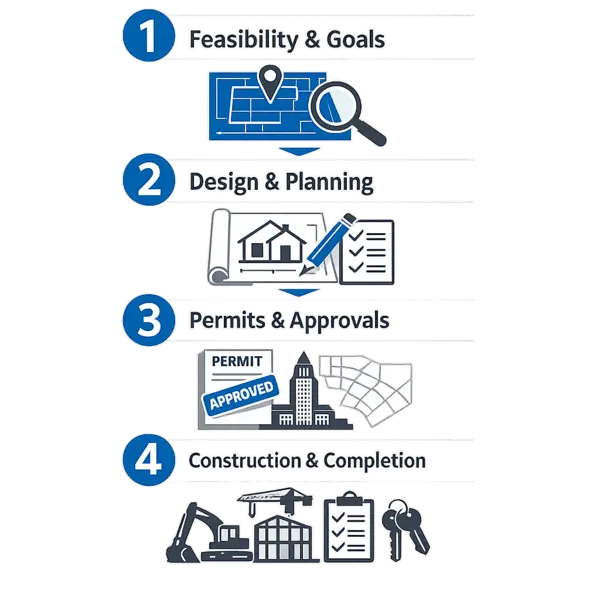
Understanding the full lifecycle of New Construction in Los Angeles helps you plan realistically and avoid delays. While every project differs, most follow a structured path from early feasibility through final inspections. Working with an experienced team like new construction specialists in Los Angeles ensures each phase—from planning to completion—is aligned with local requirements.
1. Feasibility and Project Goals
This phase evaluates the property, intended use, and whether the project aligns with Los Angeles zoning requirements. It includes lot analysis, access, utilities, and early budget considerations. Clear goals at this stage guide every decision that follows.
2. Design and Preconstruction Planning
Architectural concepts, engineering input, and scope definition take shape here. Teams coordinate layouts, structural plans, and materials while developing a realistic budget framework. For custom homes and development projects, new construction services often include detailed preconstruction planning to reduce risk before permits are submitted.
3. Permits, Zoning, and Approvals
The building permits Los Angeles process involves plan review, code compliance checks, and approvals from multiple agencies. Timelines vary based on project size, neighborhood regulations, and complexity. Mixed-use and multifamily developments typically require additional coordination and review steps.
4. Construction, Inspections, and Turnover
Once approved, construction begins with site preparation, foundation work, framing, and system installations. Throughout the build, required inspections ensure compliance. The process concludes with final walkthroughs, punch list completion, and project handoff.
Because the Los Angeles construction process involves multiple approvals and inspections, timelines depend on site conditions, permitting speed, and project scope. For a deeper look at what to expect, see this guide to building in Los Angeles.
What Affects New Construction Costs in Los Angeles
Budgeting for New Construction in Los Angeles isn’t about a single number—it’s a combination of variables tied to your site, design, and approvals. Costs can shift as plans evolve, so early estimates should be treated as a planning framework rather than a fixed total. Reviewing scope with a qualified builder, such as New Construction in Los Angeles | Alvapareen Construction, helps align expectations with real project conditions.
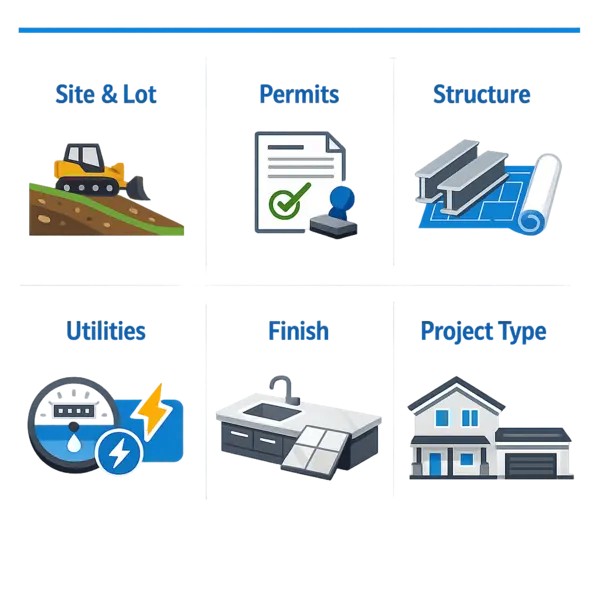
Site and Lot Conditions
In Los Angeles, site-specific factors often drive major cost differences. Sloped or hillside lots may require grading, retaining walls, or specialized foundations. Limited access can affect equipment and labor efficiency. Existing structures may need demolition, and connecting to utilities—water, sewer, power—can vary widely depending on location and infrastructure availability.
Design, Size, and Complexity
The size of the building, structural system, and architectural complexity all influence cost. Custom layouts, large spans, or mixed-use construction in Los Angeles typically require more engineering and coordination. Finish level also matters—materials, fixtures, and detailing can significantly impact the overall budget. Some property owners compare full builds with smaller-scale options like ADU construction or garage conversions in Los Angeles to manage scope.
Permits, Revisions, and Timeline Effects
Permitting and zoning requirements in Los Angeles can influence both timeline and cost. Plan revisions, agency feedback, or unforeseen site conditions may lead to adjustments during the process. Longer timelines can also affect labor and coordination costs. For a deeper look at planning factors, see this Los Angeles construction planning guide.
Because every project is different, accurate budgeting depends on site evaluation, design clarity, and construction goals.
Comparing New Construction Options in Los Angeles
Choosing the right approach to New Construction in Los Angeles depends on your lot, zoning, budget, and long-term goals. Whether you’re building a primary residence or planning an income-generating property, each construction type comes with distinct design, permitting, and investment considerations.
Single-Family, Townhome, and Multifamily Considerations
Single-Family Homes:
Best for owner-occupants seeking privacy and full customization. Requires more land per unit and typically aligns with lower-density zoning.
Townhomes:
Efficient use of space with shared walls and smaller footprints. A practical option in urban Los Angeles where density and cost control are priorities. For more detail, see New Construction Townhomes Los Angeles: What Buyers Should Know.
Multifamily Projects:
Designed for rental income or multiple households. Higher complexity, stricter building permits in Los Angeles, and greater coordination with zoning and infrastructure requirements.
When Mixed-Use or Smaller-Scale Alternatives Make Sense
In some cases, a full ground-up project may not be the most practical path. If your property is in a commercial corridor or transitional zone, mixed-use construction in Los Angeles can combine residential and retail uses for added value.
For smaller lots or budget-conscious expansions, homeowners often compare new builds with:
- Accessory Dwelling Units – ADU in Los Angeles for added living space or rental income
- Garage Conversions in Los Angeles | Alvapareen Construction for faster, lower-impact upgrades
If you’re evaluating whether a full rebuild is the right investment, explore new construction solutions in Los Angeles to understand how site conditions, zoning requirements, and long-term property goals shape the best path forward.
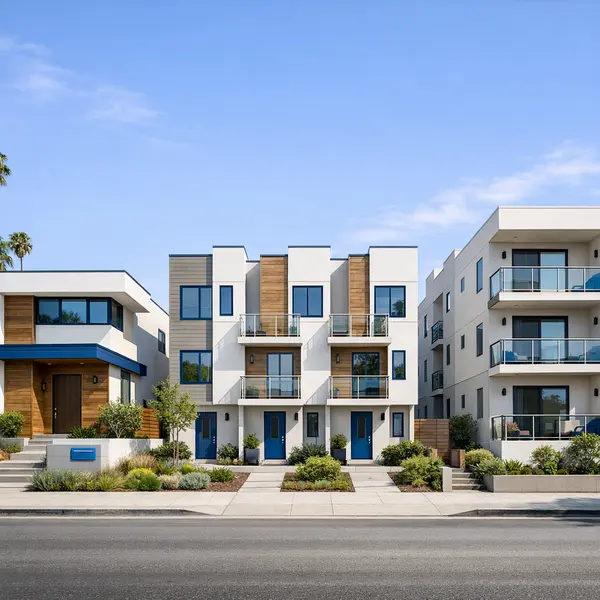
Los Angeles Factors That Can Shape a New Construction Project
Planning New Construction in Los Angeles involves more than drawings and permits. Local development patterns, neighborhood expectations, and corridor activity can influence everything from feasibility to design direction. Understanding these factors early helps align your project with how different parts of the city are evolving.
Density, Redevelopment, and Corridor Activity
Across Los Angeles, major corridors are seeing increased density, mixed-use construction, and redevelopment of older properties. In areas like West Los Angeles, multifamily housing and commercial-residential blends are common along primary boulevards, which can shape expectations for scale, parking, and site utilization.
These trends can affect how a project fits within the surrounding environment and how it may be reviewed during the Los Angeles construction process. Evaluating nearby projects can offer helpful insight—especially when assessing new construction developments near you to understand what’s already being approved and built.
Why Neighborhood Context Matters Early
Each site comes with its own context. Existing land use, surrounding property types, traffic access, and even community sensitivity can influence planning decisions. Some neighborhoods may have more established character or stricter interpretation of Los Angeles zoning requirements, while others are more flexible due to ongoing growth.
Reviewing site history, access points, and adjacent structures early can help identify potential constraints before investing heavily in design. For homeowners and investors alike, this local awareness supports smarter decision-making and a smoother path through building permits in Los Angeles.
How to Start a New Construction Project in Los Angeles
Planning New Construction in Los Angeles starts with clear decisions and realistic expectations. Use this step-by-step checklist to move from early ideas into a structured, permit-aware plan that fits local zoning and construction conditions.
Step 1: Define the Property Goal and Intended Use
Identify whether your project is for a primary residence, rental income, ADU, multifamily, or mixed-use development. Clarifying the end use shapes design, budget, and approvals. For a deeper overview, review what to know before you build in Los Angeles.
Step 2: Review the Site and Basic Zoning Fit
Evaluate lot size, access, slope, and current conditions. Then confirm that your concept generally aligns with Los Angeles zoning requirements. Early feasibility checks help avoid costly redesigns later.
Step 3: Set Preliminary Budget and Scope Priorities
Outline your must-haves, preferred finishes, and overall square footage. Construction costs in Los Angeles can vary, so define where you can be flexible before design begins.
Step 4: Assemble the Right Design and Construction Team
Engage experienced professionals early. A coordinated team helps align design, budgeting, and permitting. Explore new construction services for custom homes and developments to understand how full-service support can streamline your project.
Step 5: Prepare for Permits and Preconstruction
Organize plans, documentation, and timelines before submitting for building permits in Los Angeles. Preconstruction planning helps reduce delays and ensures your project is ready to move forward once approvals are in place.

Frequently Asked Questions About New Construction in Los Angeles
Timeline and Permit Questions
How long does new construction in Los Angeles usually take?
New Construction in Los Angeles typically spans several phases—design, permitting, and construction. Smaller residential builds may take months, while larger or complex projects can extend longer. Timelines depend on plan approvals, site conditions, and project scope, so it’s best to plan with flexibility.
What permits are typically required for new construction in Los Angeles?
Most projects require building permits, plan checks, and approvals related to zoning, structural, electrical, plumbing, and energy compliance. Additional reviews may apply depending on the property location. Requirements vary, so confirming with local departments early is essential.
How do zoning rules affect what I can build on my property?
Los Angeles zoning requirements determine building height, density, setbacks, and property use. These rules directly impact whether you can build a single-family home, multifamily property, or mixed-use structure. Zoning also influences parking, lot coverage, and design limitations.
Cost, Scope, and Property Fit Questions
What factors have the biggest impact on new construction costs in Los Angeles?
Los Angeles construction costs vary based on project size, design complexity, materials, labor, and site conditions such as grading or access. Permit requirements and utility connections can also influence the overall budget.
Is new construction different from an ADU or garage conversion project?
Yes. New construction involves building from the ground up, while ADU construction and garage conversions modify existing structures. Each has different permit paths, zoning allowances, and construction methods within Los Angeles residential construction.
Can I build a multifamily or mixed-use project on my lot in Los Angeles?
It depends on zoning designation, lot size, and local regulations. Some areas allow mixed-use construction in Los Angeles, while others are limited to single-family homes. A zoning review helps determine feasibility before design begins.
Choosing the Right Team
What should I look for when choosing a contractor for new construction?
Look for a licensed contractor with experience in new construction Los Angeles projects, clear communication, and a structured process. Reviewing past work and understanding how they handle permits, scheduling, and coordination can help you make an informed decision.
When should I contact a construction team during the planning process?
It’s best to involve a construction team early—ideally during initial planning or design. Early input can help align your vision with budget and feasibility. For a deeper breakdown of planning, permits, and costs, see this guide: New construction planning, cost, and permit overview.
Discuss Your New Construction Plans With Alvapareen Construction
Planning New Construction in Los Angeles involves more than just design ideas—it requires a clear understanding of site conditions, zoning requirements, permits, and project scope. Alvapareen Construction brings a structured, experience-driven approach to help you evaluate feasibility and move forward with confidence.
If you’re exploring your options, we recommend reviewing our full service overview to understand how we approach new construction in Los Angeles before starting a conversation.
When a Consultation Makes Sense
A consultation is valuable if you’re in the early planning phase, evaluating a lot for development, considering a teardown and rebuild, or comparing project scopes such as residential, ADU, or mixed-use construction.
It’s also the right step when you need clarity on the Los Angeles construction process, permitting pathways, or realistic project expectations before committing to design or construction.
Key Takeaways for Planning New Construction in Los Angeles
A Practical Final Summary
Successful New Construction in Los Angeles comes down to four core factors: thoughtful planning, a clear understanding of zoning and building permits in Los Angeles, realistic budgeting, and working with an experienced construction team. Each project—whether residential, mixed-use, or ADU—varies based on site conditions, design complexity, and local requirements.
Timelines and costs are not one-size-fits-all. The Los Angeles construction process involves multiple stages, from feasibility and design to approvals and build-out, and each step should be approached with flexibility and informed decision-making.
If you’re preparing to move forward, reviewing your options with a qualified contractor can help clarify next steps. Learn more about how new construction in Los Angeles with Alvapareen Construction is planned and delivered with a focus on quality, compliance, and long-term value.